The Essentials
- Twine is a versatile, essential item in packaging, crafts, and household use, with multiple materials and applications.
- Its choice depends on factors such as strength, durability, aesthetics, and whether you are looking for a rustic or premium finish.
- There are natural twines (cotton, jute, linen, hemp) and synthetic ones (polypropylene, nylon), each with specific properties.
- Sustainability is a key factor, with biodegradable and recyclable options that minimize environmental impact.
- In addition to its practical function, twine adds aesthetic value and allows for the personalization of product and gift presentations.
Twine: A Thread Connecting Tradition and Functionality in Packaging and Beyond
Twine, that humble twisted strand, is much more than a simple tie. Since time immemorial, it has been an indispensable companion for humanity, evolving from a basic survival tool to a sophisticated element in premium packaging, decoration, and manual arts. Its presence is ubiquitous, from the simplest package to the most elaborate gift box, demonstrating a versatility and relevance that often go unnoticed. Understanding the characteristics, types, and applications of twine is fundamental to choosing the right option that not only fulfills its practical function but also enhances aesthetics and contributes to sustainability. This article explores the fascinating world of twine, breaking down its materials, uses, design considerations, and its growing role in a market that values both functionality and ecological awareness.What is Twine and why is it so relevant?
In its most basic definition, twine is a thick thread or a thin rope, generally formed by twisting several strands. Its main purpose is to tie, fasten, suspend, or decorate. The relevance of twine lies in its ability to offer practical and aesthetic solutions in a wide variety of contexts. In the field of packaging, it is a key component for securing packages, sealing boxes, or adding a distinctive touch to a product's presentation. Choosing the right twine can completely transform the perception of an item. A rustic jute twine can evoke a handcrafted and organic feel, while a polished cotton or satin twine can communicate luxury and delicacy. Its functionality goes hand in hand with its decorative potential, making it a strategic element in product design and customer experience.Key Difference
Although often used interchangeably, the term "rope" generally refers to a larger diameter and greater strength than "twine." Twine is finer and more malleable, ideal for light tying and decorative work.
Twine Materials: Natural vs. Synthetics
The diversity of materials is one of the pillars of twine's versatility. Each type offers unique properties in terms of strength, texture, appearance, and environmental impact.Natural Fiber Twines
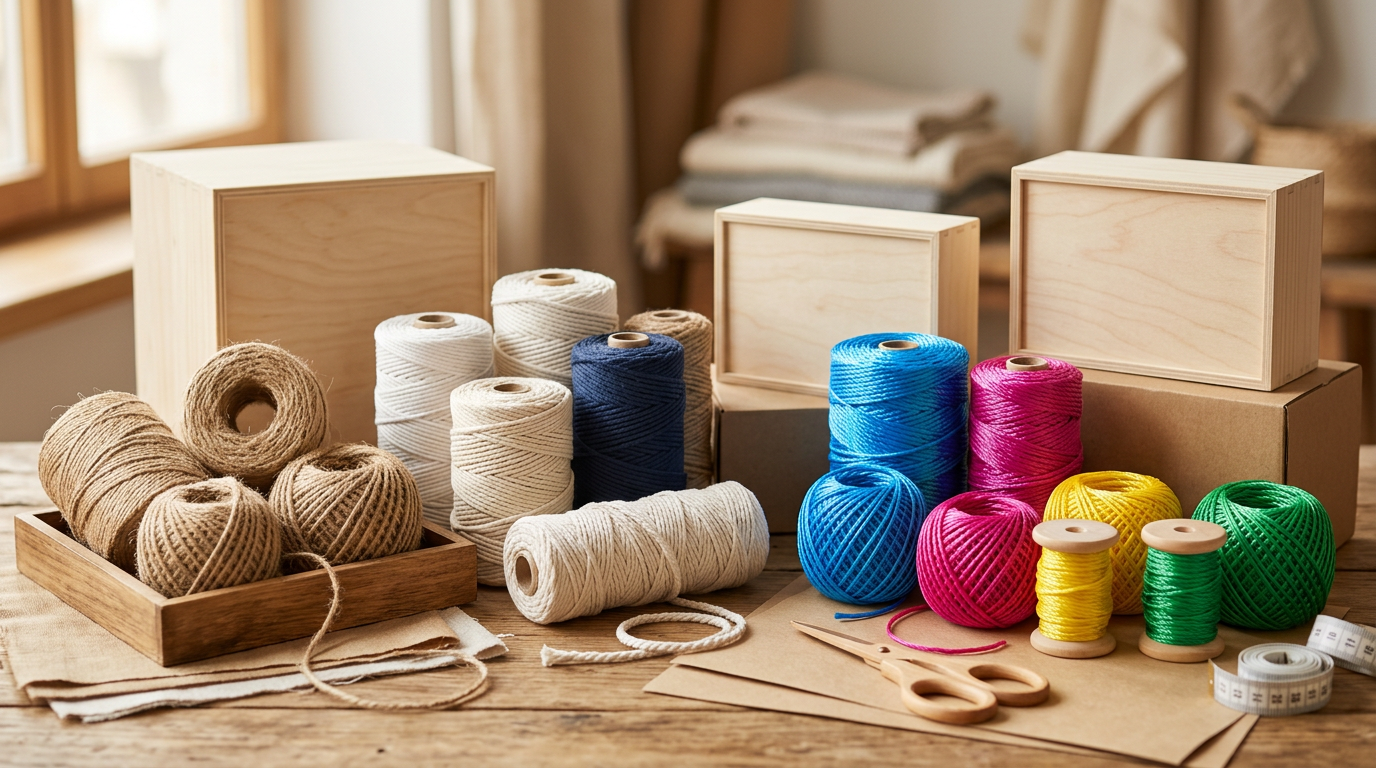
These twines are valued for their renewable origin, organic aesthetic, and, in many cases, their biodegradability.- CottonSoft to the touch, flexible, and dyeable. Ideal for premium packaging, labels, and crafts. It is biodegradable.
- JuteKnown for its rustic appearance and strength. Biodegradable and compostable. Perfect for a natural, rustic, or vintage style.
- LinenStrong, durable, and with a subtle natural sheen. Offers an elegant and organic aesthetic. Very resistant to water and rot.
- HempExtremely strong, durable, and with a slightly rough feel. Excellent for applications requiring robustness. It is also biodegradable.
- Paper/RaffiaLess traditional, but increasingly popular. Biodegradable, often recycled, with a wide variety of colors and textures, ideal for an "eco-friendly" look.
Synthetic Fiber Twines
Designed for specific applications where durability, water resistance, or uniformity are priorities.- PolypropyleneLightweight, strong, resistant to water and chemicals. Does not rot or weaken with moisture. Widely used in industrial and agricultural packaging.
- NylonExtraordinarily resistant to abrasion and tension. Flexible and elastic, ideal for applications requiring a high degree of durability.
- PolyesterSimilar to nylon in strength, but with less elasticity and greater UV resistance. Maintains its shape and strength even when wet.
- Rayon/Synthetic SilkOffers a shiny, silky finish, ideal for decorative bows or luxury packaging where aesthetics are key.
Selection Tip
For food packaging or applications where skin contact is frequent (e.g., in the textile sector), cotton or natural linen twines are excellent choices due to their softness and absence of chemicals.
Uses and Applications of Twine
Twine transcends its simple tying function, finding its place in a multitude of sectors.Packaging and Presentation
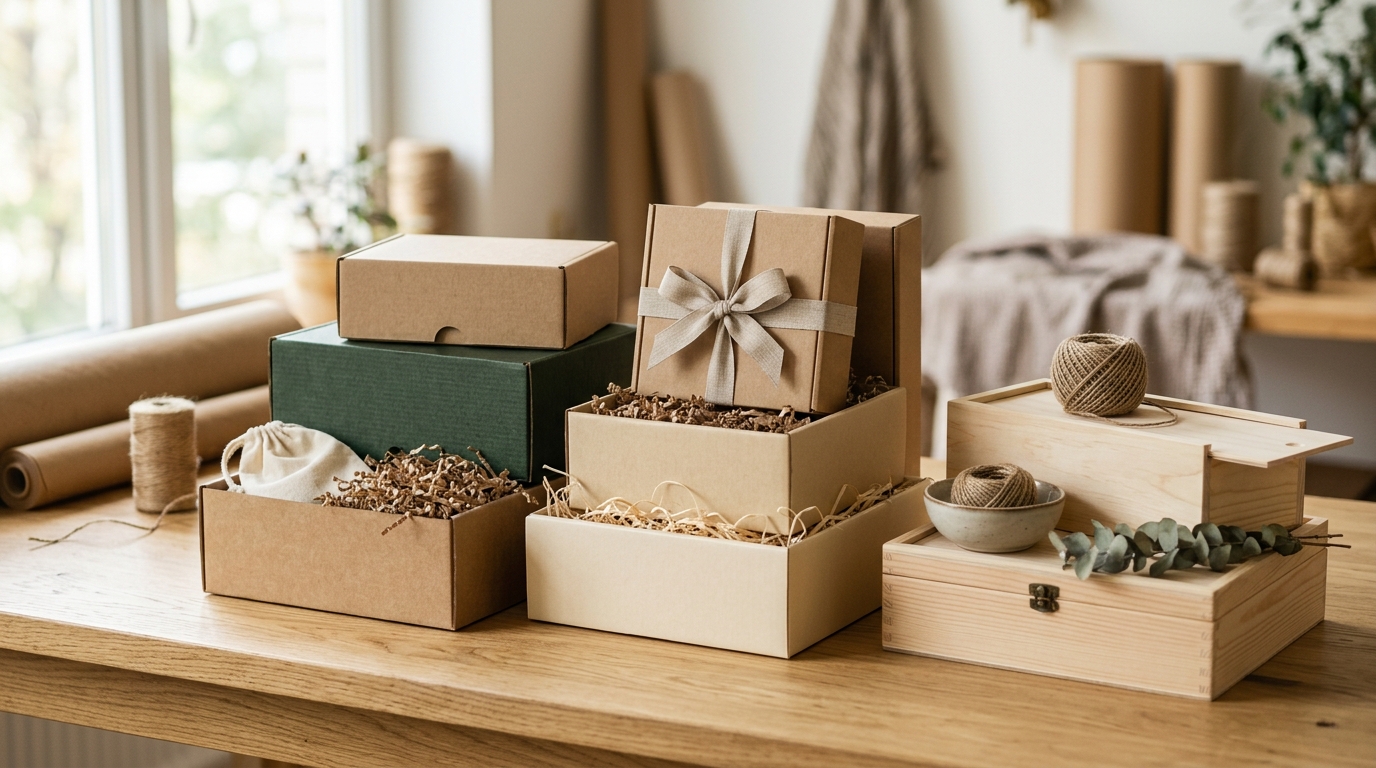
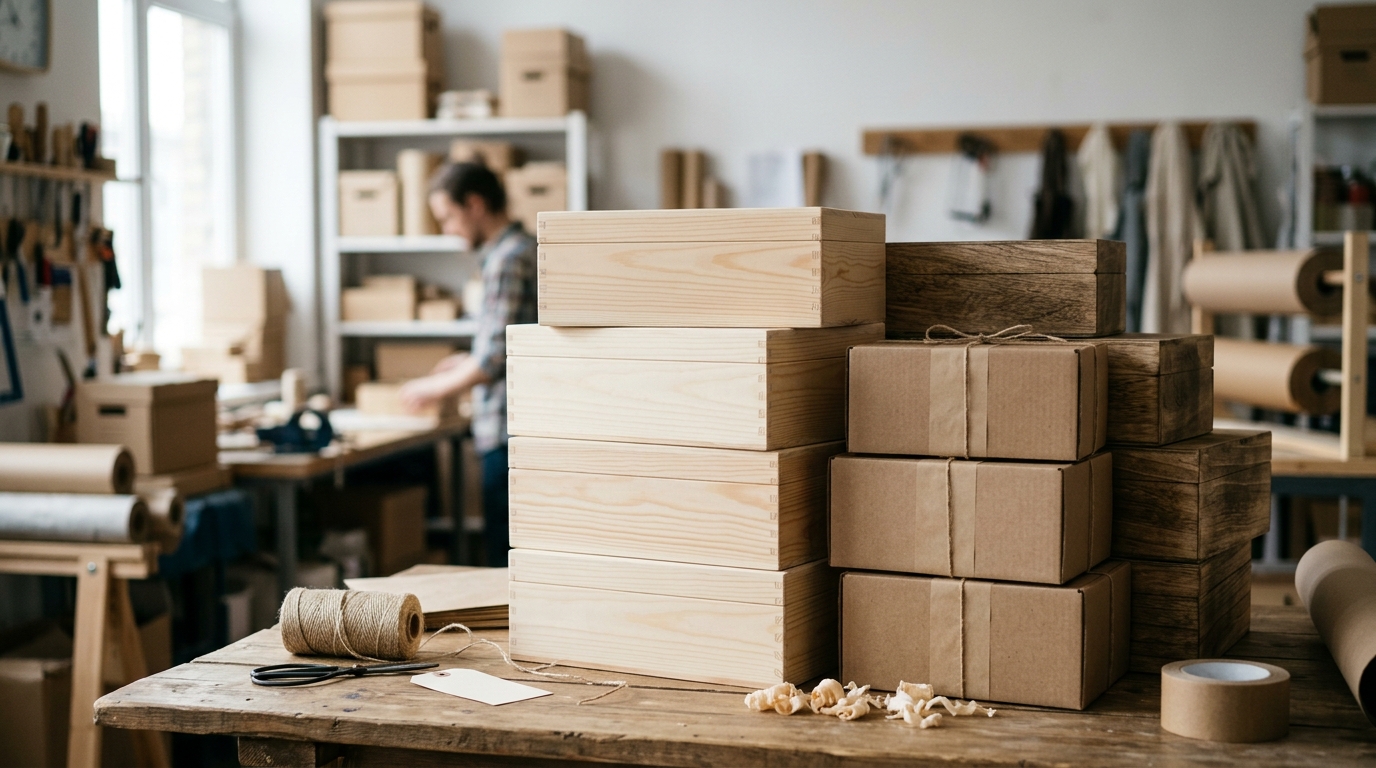
* Closing packages and boxes: From the traditional white cardboard box to sophisticated custom wooden boxes, twine can replace or complement adhesive tapes and strapping, adding a handmade or elegant touch. * Gift decoration: A well-chosen twine bow can elevate the presentation of any gift, especially when combined with personalized tags. * Labeling and branding: Attach tags with the brand logo, care instructions, or personalized messages to products, from clothing to gourmet food. * Food packaging: Cotton or jute twines are common for tying bakery products, sausages, or herbs, offering a fresh and natural image. * Premium packaging: For luxury products, synthetic silk or polished cotton twine can add a touch of sophistication and exclusivity, enhancing the unboxing experience.Crafts and DIY
* Crafts: Ideal for creating macrame, jewelry, home decorations, or even reinforcing structures in DIY projects. * Event decoration: From rustic weddings (wedding packaging) to communion celebrations (communion boxes), twine is a versatile element for garlands, floral arrangements, and centerpieces. * Gardening: For tying young plants to stakes, delimiting areas, or creating light supports.Household and Professional Use
* Home: Ties newspapers, organizes cables, hangs light pictures, or even as a decorative element in everyday objects. * Office: Although less common today with strapping machines and adhesive tapes, twine is still used to bundle documents or small packages. For more office tools, an essential office supplies guide can be consulted.Key Factors When Choosing the Right Twine
The selection of twine should not be a trivial decision. It depends on several criteria that ensure its functionality and contribute to the desired aesthetic.| Factor | Description | Example of Impact |
|---|---|---|
| Tensile Strength | Twine's ability to withstand weight or force without breaking. | For heavy packages, hemp or polypropylene twine is superior to fine cotton. |
| Durability and Environmental Resistance | Tolerance to moisture, UV rays, abrasion, or chemicals. | Outdoors or in humid environments, nylon or polyester will last longer than jute or linen. |
| Aesthetics and Finish | Visual appearance, texture, sheen, and dyeability. | For a rustic finish, jute is used; for an elegant one, polished cotton or rayon. |
| Thickness and Flexibility | Diameter of the twine and ease of handling, tying, or forming bows. | Fine cotton twine is ideal for labels; thicker twine for large packages. |
| Sustainability | Environmental impact of the material: biodegradable, recyclable, renewable source. | Organic cotton or jute twines are preferable for eco-conscious brands. |
| Cost | Price varies significantly between materials and finishes. | Synthetic twines are often more economical than certain premium natural fibers. |
Avoid Common Mistakes
Do not underestimate the importance of thickness. Twine that is too thin for a heavy package will break. Twine that is too thick for a small label will look disproportionate. Always balance function with aesthetics.
Twine and Sustainability
In an increasingly environmentally conscious world, the sustainability of twine is a decisive factor. Choosing eco-friendly materials not only reduces environmental impact but can also be a powerful brand message. * Biodegradable Natural Fibers: Cotton, jute, linen, and hemp are excellent choices. They decompose naturally, rejoining the life cycle without leaving microplastics. It is preferable to opt for unbleached versions or those dyed with vegetable dyes. * Recycled Materials: Some paper or even synthetic twines (like recycled polyester) offer a sustainable alternative, reusing existing resources. * Certifications: Looking for seals like GOTS (Global Organic Textile Standard) for cotton, or forest management certifications for paper twines, ensures responsible practices.Personalization and Added Value of Twine
Beyond its basic function, twine offers ample personalization possibilities that can differentiate a product and improve the customer experience. * Color: Available in an infinite palette, from undyed natural tones to vibrant or metallic colors. Color can complement the brand or product. * Texture: From the softness of combed cotton to the roughness of jute. Texture adds a tactile dimension that enhances the perception of quality. * Braiding: Twines with 2, 3, or more plies, which affects both strength and appearance. A more complex braid usually implies greater strength. * Incorporation of elements: It is possible to add small charms, wooden beads, or even dried elements like lavender sprigs to twine for an extra touch of personalization, especially in the premium gift sector."A simple twine can transform an ordinary object into a memorable brand experience, weaving the product's story with each knot."The importance of presentation is undeniable. A well-selected twine not only secures but also beautifies. Consider the impact of a hemp string tying a bottle of artisanal olive oil, or a red cotton twine wrapping a box of chocolates. These details, though small, contribute significantly to the product's narrative and the perception of its value. To delve into how design impacts the perception of value, it is recommended to read about the chocolate box: art and design in premium packaging.
Mistakes to Avoid When Using Twine in Packaging
Although it seems simple, improper use of twine can have negative consequences, from package breakage to poor presentation. 1. Underestimating Strength: Using twine that is too thin or weak for the weight or tension it must support. This can cause the package to open or be damaged. 2. Neglecting Aesthetics: Generic, poor-quality twine can detract from a premium product. The choice must be in line with the brand image. 3. Insecure or Excessive Knots: Poorly tied knots can come undone, while an excess of knots can make opening the package difficult and frustrate the customer. 4. Ignoring Environmental Impact: Opting for non-recyclable or non-biodegradable synthetic twines when sustainable and aesthetic alternatives exist, especially if the brand promotes ecological values. 5. Improper Storage: Storing natural fiber twine in humid environments can lead to mold or weakening of the fibers. Protecting it from direct sunlight is also crucial to prevent degradation of color and strength.Conclusion
Twine, with its apparent simplicity, is an element of profound importance and versatility. Its evolution from a basic tool to a key component in packaging design, crafts, and decoration is a testament to its adaptability and intrinsic value. By considering the diversity of materials—from warm natural fibers like cotton and jute to resistant synthetics like nylon—and their multiple applications, it becomes clear that choosing the right twine is a strategic decision. It's not just about tying; it's about communicating. A well-selected twine can tell a story of sustainability, luxury, tradition, or creativity. For the reader/buyer, understanding these subtleties allows for informed decisions that not only fulfill a function but also enhance aesthetics, contribute to environmental awareness, and improve the overall product experience. The next time you see twine, remember that behind its modest appearance lies a world of possibilities and considerations that make it an essential thread in our daily lives.Frequently Asked Questions
What type of twine is best for heavy packages?
For heavy packages, synthetic fiber twines such as polypropylene, nylon, or polyester are recommended due to their high tensile strength and durability. Among natural options, hemp is an excellent choice for its robustness.
Are all twines biodegradable?
No. Twines made from natural fibers such as cotton, jute, linen, or hemp are biodegradable. However, synthetic twines like polypropylene, nylon, or polyester are not and require specific disposal methods or recycling, if possible.
Can twine be dyed at home?
Yes, many types of twine, especially those made from natural fibers like cotton or linen in their raw state, can be dyed at home using textile or natural dyes. Synthetic twines are more difficult to dye and require specific dyes for plastics or synthetic fibers.
How can I make a twine knot more secure and durable?
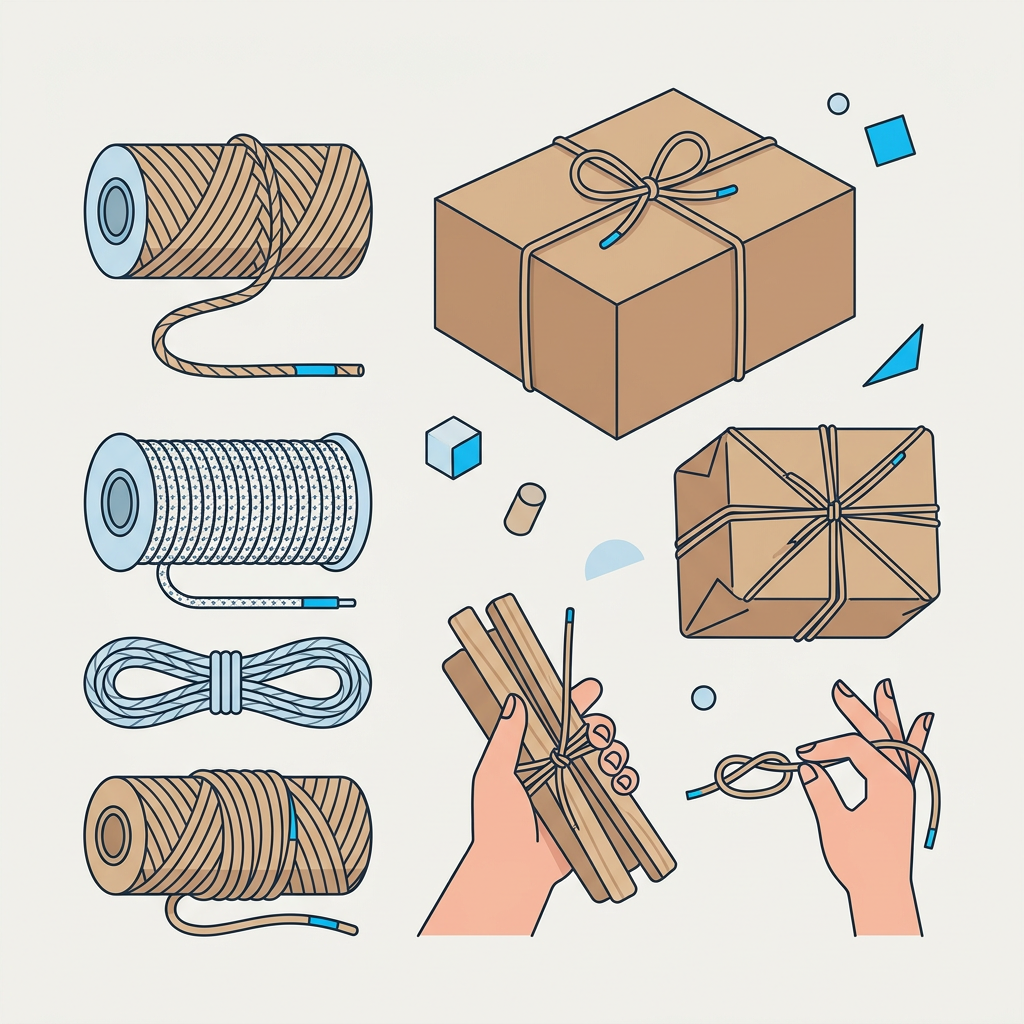
The security and durability of a knot depend on the type of knot and the quality of the twine. For tying packages, knots like the square knot (reef knot), surgeon's knot, or even a simple double knot can be effective. It is crucial to ensure that the twine is of the appropriate thickness and strength for the load, and to tighten the knot well without damaging it.
What are the differences between jute twine and hemp twine?
Both are strong natural fiber twines, but they have subtle differences. Jute is softer to the touch, has a more rustic appearance, and is slightly less resistant to abrasion and moisture than hemp. Hemp is an extremely robust fiber, very durable, with a rougher feel and greater resistance to water and rot, which makes it ideal for applications requiring greater strength and long-term durability.