The essentials
- A 5 senses box seeks to awaken sight, hearing, smell, taste, and touch through carefully selected gifts.
- The design and quality of the packaging are crucial to amplify the sensory experience from the first contact.
- Personalizing the content and the container itself elevates the perceived value and emotional connection.
In a world saturated with standardized gifts and ephemeral experiences, the search for a deeper and more memorable connection has become a priority. This is where the concept of the 5 senses box emerges as an innovative and deeply personal proposal. Beyond a simple container of objects, a box designed to stimulate the five senses becomes a holistic experience, a sensory journey that transcends the material to leave a lasting impression on the recipient's memory.
This approach to gifting is not a passing trend, but the manifestation of a growing appreciation for the value of experiences and individualization. Whether for an anniversary, a birthday, a corporate celebration, or simply a gesture of appreciation, the 5 senses box offers a blank canvas for creativity, allowing the giver to convey a message full of meaning, emotion, and surprise. But what exactly does it mean to design and present one of these boxes? How are the right elements chosen for each sense, and, equally important, how does the packaging contribute to the magic of this concept?
The 5 senses box: A symphony for the senses
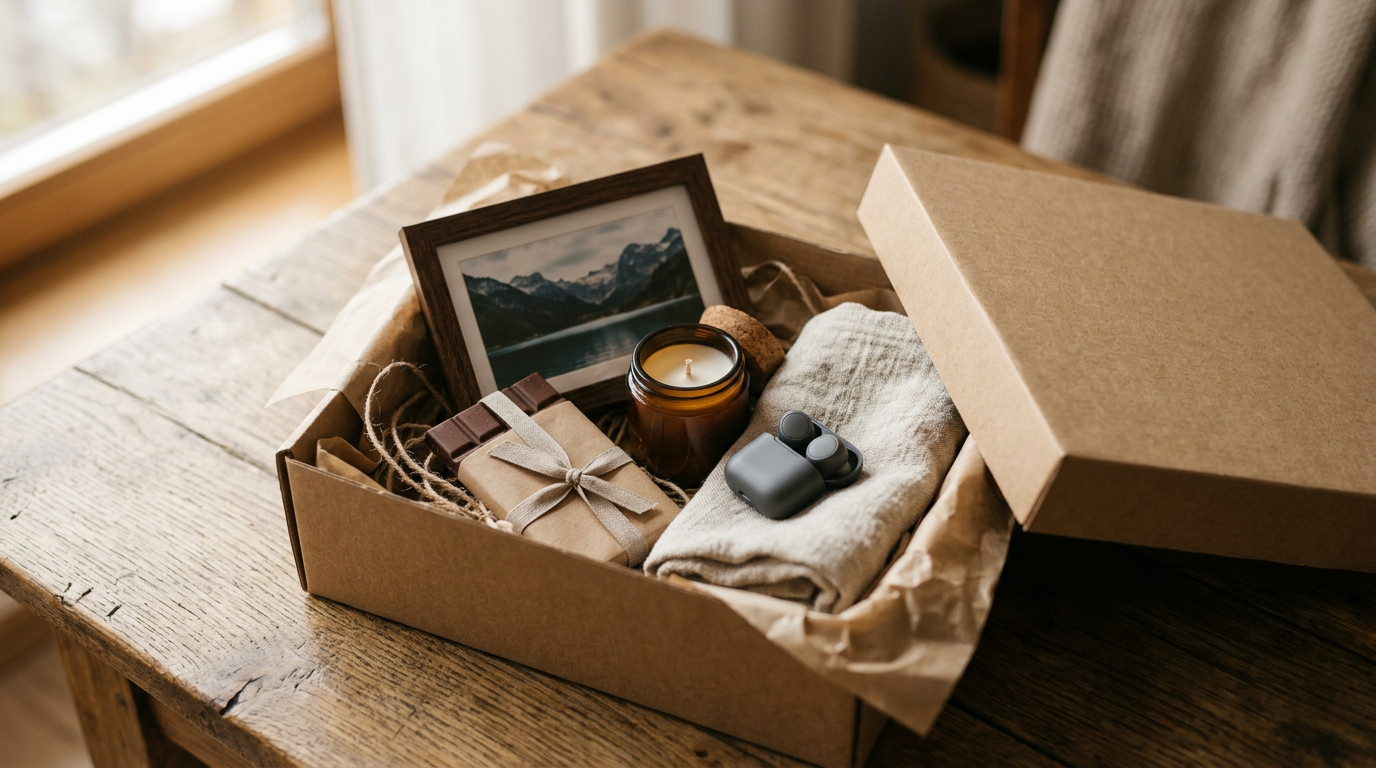
The essence of a 5 senses box lies in its ability to offer a cohesive multi-sensory experience. It's not just about grouping five disparate objects, but about orchestrating a symphony where each element plays its part to stimulate a specific sense, creating a particular narrative or mood. The goal is that, upon opening the box, the recipient not only sees objects but also hears, smells, tastes, and touches elements that evoke memories, emotions, or a personal message.
The selection of components is the heart of this experience. Each sense must be catered to with an item that not only represents it but also aligns with the overall purpose of the gift and the recipient's personality. Thematic coherence or emotional progression are key factors in transforming a collection of items into a genuine sensory experience.
Breaking down the senses: ideas and examples
To build an effective 5 senses box, it is essential to understand what type of objects can activate each perception:
- SightAesthetically pleasing objects, photos, books, artwork, decorative candles, or designer accessories.
- HearingMusic (vinyl, CD, QR code card to a playlist), small instruments, wind chimes, a letter read aloud, or quality headphones.
- SmellAromatic candles, essential oils, perfumes, artisan soaps, coffee, tea, or dried fragrant flowers.
- TasteGourmet chocolates, specialty coffees, exotic teas, artisan jams, wines, spirits, premium snacks, or personalized sweets.
- TouchSoft textiles (scarves, small blankets), objects with interesting textures (polished stones, wooden figures), hand creams, silk eye masks, or relaxation items.
The common thread
To maximize impact, consider a central theme. It could be "relaxation," "travel," "shared memories," or "well-being." This common thread helps select coherent elements for each sense.
The crucial role of packaging: more than a container
While the contents are vital, the packaging of the 5 senses box is its calling card and an intrinsic part of the overall sensory experience. It's not just what's inside, but how it's presented. The act of opening the box, the texture of the material, the sound of untying a ribbon or removing a lid, all contribute to anticipation and delight.

Carefully selected packaging not only protects the objects but also adds a layer of sophistication, mystery, and personalization. It's the first "sense" that's activated: sight is impacted by the design, touch perceives the quality of the material, and, sometimes, even smell can be stimulated by subtle aromas imbued within.
Types of materials for premium packaging
The choice of material for the box is fundamental and must reflect the quality and intent of the gift:
| Material | Main characteristics | Advantages | Considerations |
|---|---|---|---|
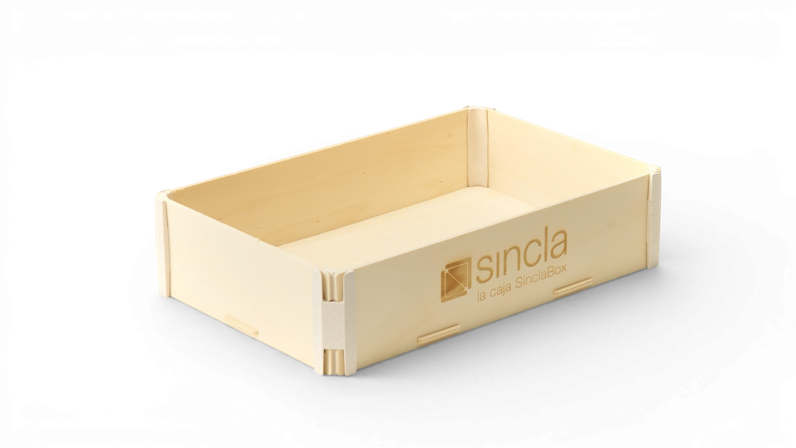
| Wood (FSC, plywood, MDF) | Durability, natural aesthetics, robust feel. Certifications like FSC ensure sustainable origin. | High resistance, reusable, customization by laser engraving or screen printing, perceived as premium. | Higher cost, weight. Variety in finishes (natural, varnished, lacquered). |
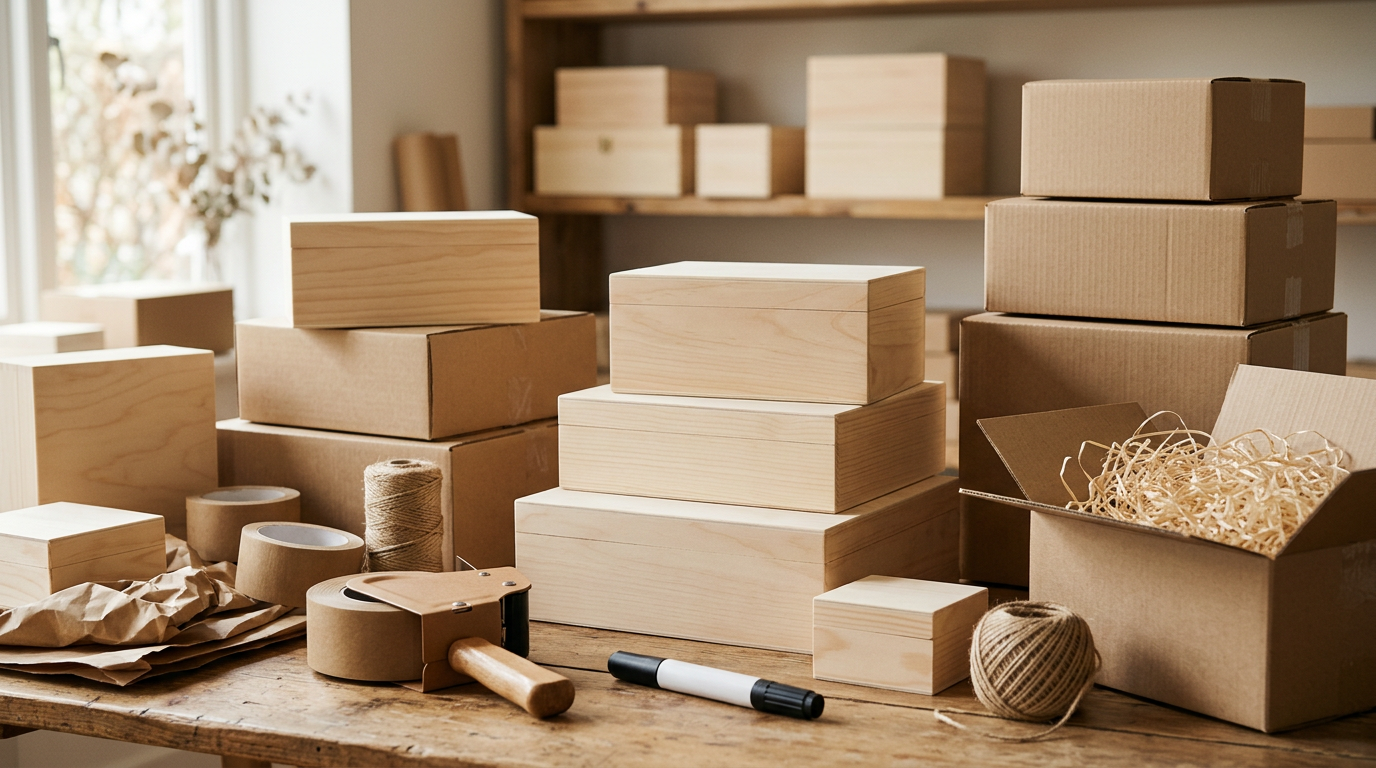
| High-grammage cardboard / Kraft | Lightness, versatility, sustainability. Kraft offers an organic look. | Economical, lightweight, 100% recyclable, easy to personalize with printing, die-cutting, or laminating. | Less impact resistance than wood, may require internal reinforcements. |
| Metals (tin, aluminum) | Modern, industrial, or vintage look. Very durable and protective. | Very resistant, excellent for content protection, reusable for other purposes. | Can be heavier, more limited customization options (labeling, specific screen printing). |
| Recycled / Sustainable materials | Recycled cardboard, paper with organic fibers, bioplastics. | Reinforces the message of sustainability, reduces environmental impact. | May limit certain finish options or require creative design to maintain premium aesthetics. |
Finishes and personalization: the distinctive touch
The true magic of a 5 senses box lies not only in its contents or base material but in the details and personalization of the packaging. These elements are what transform a generic box into a truly unique and memorable object. Finishing techniques allow the packaging to be adapted to the theme, personal brand, or specific message of the gift.
- Screen printing: Ideal for logos, patterns, or text in one or more colors. Provides a dense, durable ink layer.
- Laser engraving: Especially popular on custom wooden boxes, it allows for fine detail and a burned effect that adds a rustic or elegant touch, depending on the design.
- Pad printing: Suitable for irregular or small surfaces, it offers high-resolution printing.
- Hot Stamping: Applies metallic foils (gold, silver, copper) or pigmented foils with heat and pressure, creating a brilliant and sophisticated effect.
- Digital printing: Allows for complex designs, gradients, and full-color photographs on cardboard or other flat substrates.
- Varnishes and laminates: Provide protection and improve touch (matte, gloss, soft-touch) or appearance.
The power of the interior
Don't forget the inside of the box. The use of fillers like wood shavings, tissue paper, preserved moss, or soft fabrics not only protects the objects but also adds another sensory and visual layer.
Designing the unboxing experience
The act of unboxing is a crucial part of the 5 senses box experience. It's not just a functional process, but a ritual that can be constructed to maximize surprise and pleasure. Every element, from the box closure to the internal arrangement of objects, contributes to this narrative.
- External anticipation: An attractive exterior design, with a special finish or a subtle engraving, generates curiosity before the box is opened. Elements like fabric ribbons or magnetic closures can add a touch of luxury and mystery.
- Gradual revelation: Consider a box design with separate lids, pull-out trays, or compartments that allow objects to be discovered one by one, prolonging the moment of surprise.
- Olfactory surprises: A slight aroma when opening the box, either from the objects themselves or from subtle impregnation of the filling, can be a powerful sensory activator from the start.
- The sensory narrative: Arrange the elements so that the recipient discovers them in a logical order or one that tells a story. For example, you can start with a visually striking element, followed by something to touch, and finally smell or taste.
- Hidden messages: Small cards with personalized messages for each sense, or instructions to "activate" certain elements (e.g., "listen to this song with your headphones"), enrich the interaction.
For those interested in exploring the possibilities of packaging that tells stories and generates emotions, the idea of the surprise gift box offers an excellent starting point to understand how mystery and anticipation become part of the gift.
Applications and contexts of the 5 senses box
The versatility of the 5 senses box allows its application in various contexts, beyond personal gifting. Its ability to create a memorable experience makes it a powerful tool for:
Personal gifts and celebrations
- Anniversaries: Collect shared memories and experiences through the senses.
- Birthdays: A deeply personal gift that reflects knowledge about the recipient.
- Weddings and proposals: Create an unforgettable and multi-sensory moment. For events like these, custom wedding packaging adds a distinctive touch.
- Thank yous: An original and meaningful way to express gratitude.
Marketing and public relations
- Product launch: Present a new product by stimulating all senses, creating a memorable impact on influencers or key customers.
- Welcome kits: For new employees or VIP clients, offering an immersive experience that conveys company culture or the value of the relationship.
- Events and trade shows: Create a unique connection point with attendees, leaving a lasting impression.
- Corporate gifts: A gift that stands out from the traditional, showing appreciation in a creative and personal way.
Retail and e-commerce
- Luxury packaging: Elevate the perceived value of premium products, turning the purchase into an experience itself. This approach is closely linked to e-commerce packaging where the unboxing experience is key.
- Themed subscription boxes: Offer a curation of products revolving around a monthly sensory experience.
Common mistakes to avoid
Avoid overloading the box with too many items per sense, which can dilute the experience. Also, a lack of thematic coherence among the objects can make the gift seem disorganized. The quality of materials, both for the content and the packaging, should always be a priority.
Sustainability and the 5 senses box
In the current context, sustainability is an unavoidable factor in the design and production of any type of packaging. For a 5 senses box, often perceived as a gift of higher value and meaning, incorporating sustainable practices is not only a responsibility but also adds a layer of value and coherence to the overall message.
Considering the entire life cycle of the packaging and its components is key. This involves:
- Recycled and recyclable materials: Opt for recycled kraft cardboard, FSC-certified wood, or recycled plastics for protective components.
- Design for reuse: Robust and aesthetic packaging, especially in the case of wooden boxes, can be easily reused by the recipient for storage, decoration, or as an organizer, extending its lifespan and reducing waste.
- Biodegradable components: Protective fillers such as paper shavings, natural raffia, or compostable materials.
- Waste reduction: Minimize excess packaging and choose designs that require less material.
- Eco-friendly inks and finishes: Use water-based or vegetable-based inks and avoid finishes with harmful chemicals.
- Responsible suppliers: Collaborate with manufacturers who demonstrate a commitment to sustainable production practices.
True luxury today lies in consciousness and respect for the environment, a philosophy that a sustainable 5 senses box can perfectly embody.
By integrating sustainability into the design of the 5 senses box, not only is a memorable and sensory gift offered, but also a message of responsibility and care, aligning with the values of an increasingly conscious consumer. Attention to detail, from the initial concept to the choice of material and personalization method, elevates the 5 senses box from a simple gift to an interactive work of art and a manifesto of intent.
Frequently Asked Questions
What types of events are suitable for gifting a 5 senses box?
5 senses boxes are suitable for a wide variety of events, from personal celebrations like birthdays, anniversaries, weddings, and graduations, to corporate occasions such as product launches, welcome kits for employees or VIP clients, and thank-you gifts. Their versatility lies in the ability to adapt the content and design to each purpose and recipient.
Do all items need to be expensive?
No, the key to a 5 senses box is not the monetary value of each item, but its ability to stimulate the senses and convey a message or emotion. A well-thought-out and personally meaningful object can have much more impact than an expensive one. Creativity and personalization are more important than price.
How can I ensure thematic coherence in a 5 senses box?
To ensure coherence, choose a central theme or an emotion you wish to convey (e.g., relaxation, adventure, nostalgia). Then, select an item for each sense that relates to that theme. For example, for a "relaxation" theme, you could include an aromatic candle (smell), a soft blanket (touch), a relaxing playlist (hearing), herbal tea (taste), and an inspiring book (sight).
What types of personalization are possible for the packaging of these boxes?
Personalization options for packaging are varied and include laser engraving, screen printing, hot stamping, full-color digital printing, and die-cutting. In addition to the box material (wood, cardboard, metal), elements such as ribbons, special closures, custom labels, or interior fillers that complement the aesthetic and message can be added.
What should I consider in terms of sustainability when designing a 5 senses box?
For sustainable design, consider using recycled, recyclable, or biodegradable materials (FSC wood, kraft cardboard, compostable fillers). Look for packaging designed to be reused by the recipient and opt for eco-friendly inks. Collaborating with suppliers who have sustainability certifications and who minimize their environmental footprint is also an important factor.