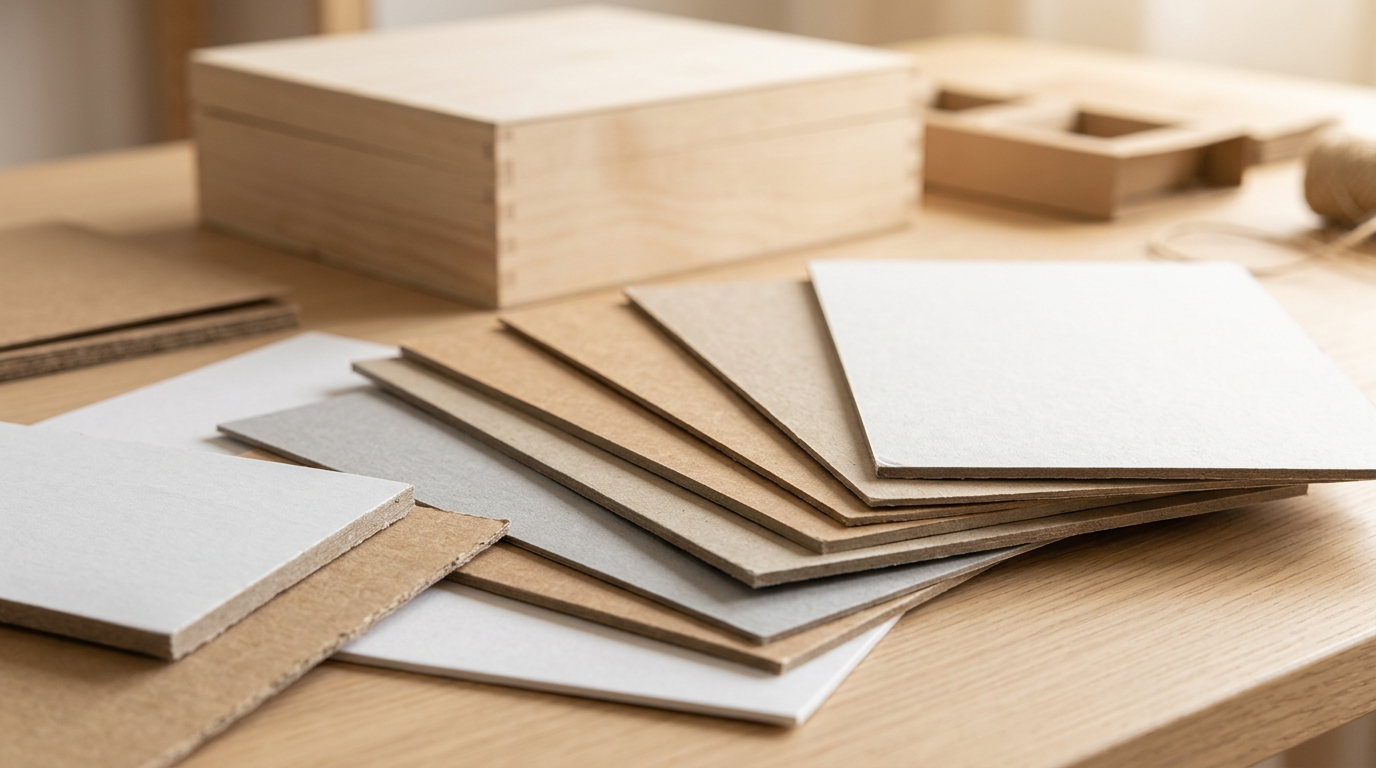
The Backing Board: Key Element in Packaging Structure and Presentation
The term "backing board" refers to a fundamental component in the design and construction of various packaging structures and graphic supports. Although often overlooked, its function is critical for the stability, protection, and aesthetic appeal of a product or presentation. Understanding its characteristics, materials, and applications is essential for any professional or consumer seeking quality and durability in packaging solutions, from premium gift boxes to point-of-sale displays.
The essentials
- The backing board provides rigidity and structural support to packaging and displays.
- Common materials include solid board, cardboard, and laminated variants.
- It is crucial for product protection, aesthetic presentation, and packaging durability.
- Its choice directly impacts strength, cost, and customization options.
What is a Backing Board and What is its Function?
The backing board is, in essence, a rigid base or support incorporated into a structure to give it stability and consistency. In the context of packaging, it acts as the "skeleton" that provides shape and strength. Unlike simple folding carton, the backing board is characterized by its higher grammage and compression, which allows it to support weight, resist deformation, and maintain design integrity.
Its functions are varied and of great importance:
- Structural StabilityPrevents packaging collapse or deformation.
- Enhanced ProtectionCushions impacts and protects contents.
- Improved PresentationAllows for premium finishes and complex designs.
- Extended DurabilityIncreases the lifespan of the packaging, especially for gift items.
Terminological Clarity
It's important not to confuse a backing board with a "box bottom" merely. While a box bottom is the lower part of a container, a backing board refers to the specific rigid material used to create that base or any other high-strength structural wall.
Common Materials for Backing Boards
The selection of material for a backing board depends on multiple factors, including required rigidity, desired finish, cost, and sustainability considerations. The most commonly used materials in the industry include:
Solid Board or Graphic Cardboard
This is perhaps the most frequent material. It is manufactured from recycled or virgin cellulose fibers, pressed at high density to create a homogeneous and rigid sheet. Its thickness can vary considerably, from 0.5 mm to several millimeters, allowing it to adapt to different levels of resistance.
- Advantages: High rigidity, smooth surface suitable for printing and laminating, good value for money, recyclable.
- Applications: Rigid boxes ("shoe box" type), albums, counter displays, folders.
Laminated Board
Sometimes, several layers of different materials are combined to achieve specific properties. A laminated backing board might consist of a solid board base covered by a layer of printed or special paper (coated, art paper, textured) for a superior aesthetic finish, or even by thin plastics for greater resistance to moisture or wear.
- Advantages: Aesthetic versatility, improved surface resistance, advanced customization options.
- Applications: Premium packaging, luxury gift boxes, cosmetic cases, electronic products.
MDF (Medium Density Fiberboard)
Although less common than cardboard in lightweight packaging, MDF is used when extreme rigidity and a smooth, uniform finish are required. It is a wood-derived material, made from wood fibers bonded with resin and pressed at high pressure and temperature.
- Advantages: Very high rigidity, perfectly smooth surface, good machinability for precise cuts.
- Applications: Bases for permanent displays, components of more robust wooden box catalogs, presentation trays for heavy items.
Thin Plywood
Similar to MDF in its use for superior rigidity, plywood consists of several thin layers of wood glued together with the grain oriented in alternating directions. This gives it exceptional strength in all directions.
- Advantages: Great mechanical resistance, durability, natural wood appearance.
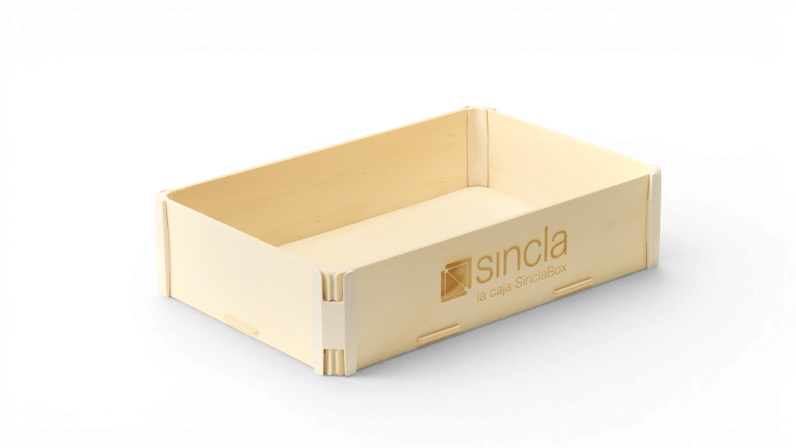
- Applications: Backs for high-value custom wooden boxes, display bases for heavy or long-lasting products.
Applications of Backing Boards in Packaging and Presentation
The use of backing boards extends to a vast range of products and sectors, being a pillar in the creation of packaging that aims to stand out both for its aesthetics and its functionality.
Rigid and Premium Boxes
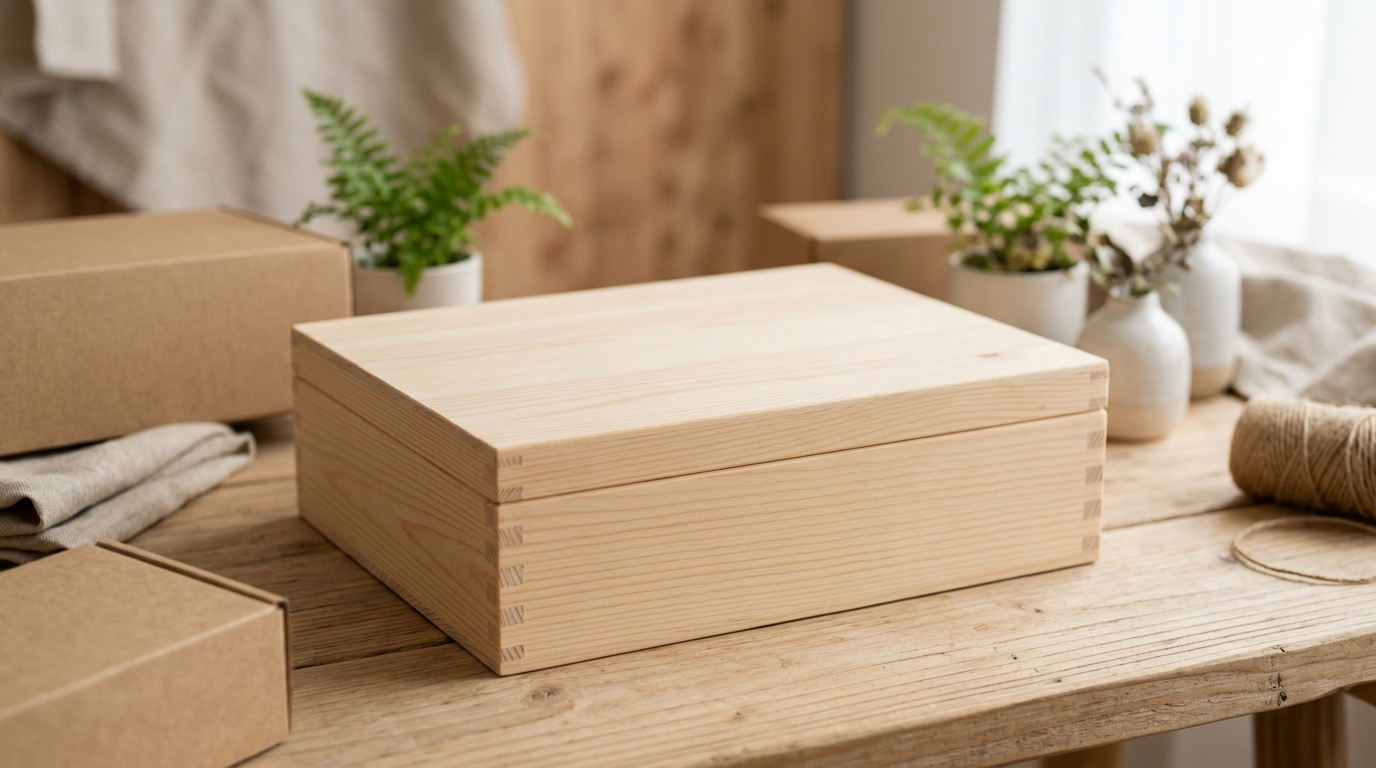
"Treasure chest" or "shoe box" type boxes are a classic example. Here, the backing board forms the walls and base, providing a solid structure that protects the product and enhances its perceived value. These boxes are common in the jewelry, cosmetics, luxury electronics, and gourmet product sectors.
Gift and Experience Boxes
For packaging intended for gifts, strength and finish are paramount. The backing board allows the box to maintain its shape even after several uses, often becoming an item that is kept. This is crucial for the perceived value of the gift, whether they are original birthday gift ideas or corporate presents.
Point-of-Sale (POS) Displays
From small counter displays to large totems, many displays require a firm base to stand and showcase products. The backing board, often in thicker gauges, ensures that the display does not wobble or deform, maintaining the brand image intact.
Collectibles and Limited Edition Packaging
When a product has high intrinsic or collectible value, the packaging must be robust and durable. The backing board ensures that the product is well protected and that the presentation withstands the test of time, adding to the perceived value of the edition.
Bases for Delicate or Heavy Products
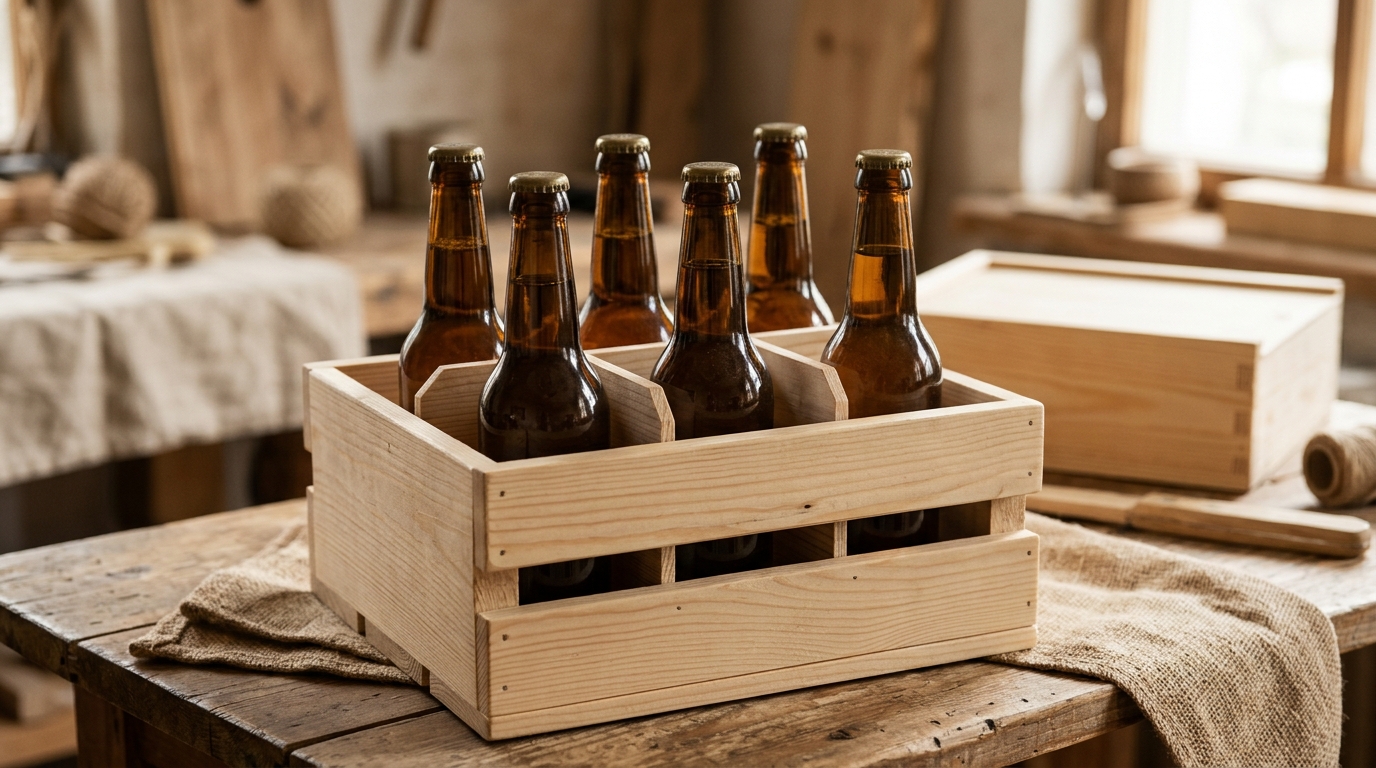
For items that need extra support, such as wine bottles, ceramic objects, or electronic components, a well-designed backing board can include cut-outs or internal separators that hold the product firmly in place, preventing movement and breakage.
Key Considerations When Choosing a Backing Board
The proper choice of a backing board requires evaluating several aspects to ensure that the packaging fulfills its purpose without excess or deficiency.
- Required Rigidity: How much weight must the packaging support? What level of protection does the product require? A lightweight book will need less rigidity than a perfume bottle.
- Aesthetic Finish: Will the backing board be visible or will it be lined? If lined, what type of paper or material will be used for the exterior and interior? Customization options include direct printing, laminating with special papers, embossing, etc.
- Manufacturing Process: How will the backing board be cut and assembled? Some materials are easier to die-cut or fold than others. Gluing is also an important factor, especially if durability is sought.
- Environmental Impact: Is a recycled, recyclable, or FSC-certified wood material preferred? Sustainability is an increasingly relevant factor in the decision.
- Cost: Thicker materials and premium finishes usually increase the cost. It is essential to balance the desired quality with the available budget.
The Prototype Test
Before mass production, it is always advisable to create a packaging prototype. This allows evaluating the rigidity of the backing board, the fit of the components, and the visual perception of the final finish under real conditions.
Finishes and Customization of Backing Boards
Beyond structural functionality, the backing board offers a canvas for customization and aesthetic enhancement of the packaging. Although often lined, the choice of base material and its preparation are key to the final result.
Finishing and Coating Techniques:
- Laminating with Printed Paper: The backing board is covered with a sheet of paper that has been previously printed with the desired design. This allows for full-color and high-quality reproduction.
- Lining with Special Papers: Textured, metallic-effect, or solid-color papers can be used to create a sense of luxury and sophistication.
- Application of Varnishes and Plastic Laminates: To add protection, shine, or a special feel. Matte or glossy laminates are common.
- Laser Engraving or Silk-screening (on exposed materials): If the backing board is MDF or plywood, and part of its surface is exposed, these techniques allow adding logos or designs directly onto the material.
- Embossing or Relief Stamping: If the lining paper is thick enough, a relief can be created on the design for a premium tactile and visual effect.
- Hot Stamping: Application of metallic foils (gold, silver, copper) or bright colors onto the lining paper, creating a luxurious visual impact.
Quality of Lining
The quality of the lining is fundamental. Imperfect gluing or air bubbles can ruin the perception of packaging, even if the backing board is of adequate thickness and rigidity.
Common Mistakes to Avoid in Backing Board Selection and Design
To achieve optimal packaging, it is crucial to be aware of the most frequent mistakes:
- Underestimating Required Rigidity: Choosing too thin a backing board can lead to flimsy packaging that deforms easily, compromising product protection and image.
- Oversizing Rigidity: Excessive thickness can unnecessarily increase the cost and weight of the packaging, as well as complicate the manufacturing and assembly process.
- Ignoring the Type of Finish: Not considering how the backing board material will interact with the lining or direct printing can result in low-quality finishes (rough surfaces, poor prints).
- Neglecting Sustainability: Not researching options for recycled materials or certifications like FSC when it is a value for the consumer or the brand.
- Not Testing Prototypes: The lack of testing under real conditions can lead to discovering problems with resistance, assembly, or aesthetics only after a large production run.
- Adhesive Quality: Using a low-quality adhesive can cause the lining to peel off or joints to fail over time, especially in environments with temperature or humidity changes.
Beware of Moisture
Materials like solid board are sensitive to moisture. A backing board exposed to very humid environments can deform or lose rigidity. Consider protective laminates or resistant materials if the packaging will be in these conditions.
Backing Boards in the Context of Sustainability
Environmental concerns have driven the industry to seek more sustainable solutions for all packaging components, including the backing board. Fortunately, cellulose-based materials offer a good foundation for sustainability.
- Recycled Materials: Much solid board is made from post-consumer recycled fibers, reducing the demand for new raw materials.
- Certifications: Looking for materials with certifications like FSC (Forest Stewardship Council) or PEFC (Programme for the Endorsement of Forest Certification) ensures that the wood or cellulose used comes from responsibly managed forests.
- Recyclability: Most cardboard backing boards are recyclable, provided they are not excessively contaminated with inseparable plastics or difficult-to-process adhesives.
- Design for Disassembly: In some cases, an intelligent design can allow the different packaging components (cardboard, plastics, adhesives) to be easily separated for proper recycling.
In conclusion, the backing board is much more than a simple piece of cardboard. It is a strategic component that defines the strength, durability, and perceived quality of packaging. Its correct selection and design are crucial for the successful presentation of any product, from the simplest gift box to the most sophisticated premium packaging.