El Foam: Protección y Presentación Esencial para Productos
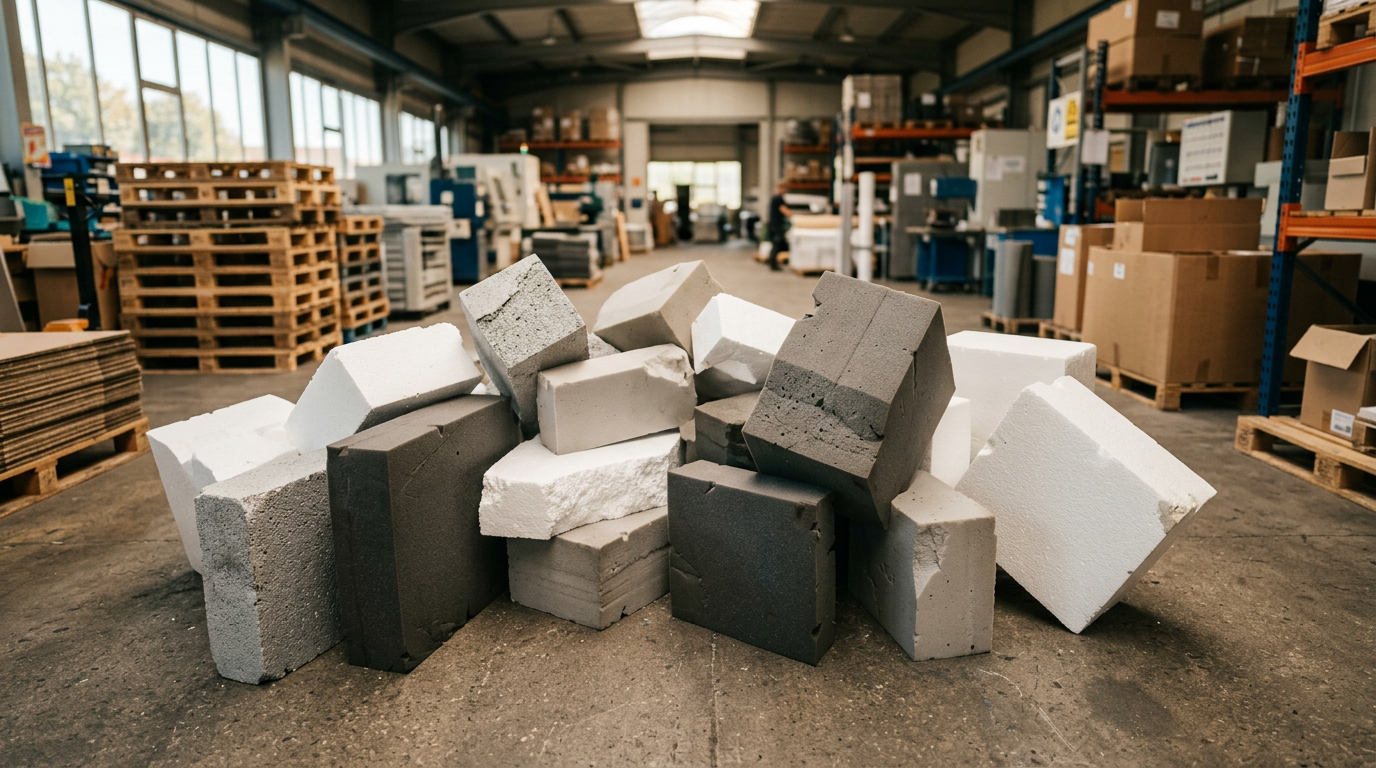
Foam: An Essential Element in Product Protection and Presentation
Foam, also known as cushioning foam, is a versatile material widely used in various industries, especially in the packaging sector. Its ability to protect, cushion, insulate, and aesthetically present products makes it an indispensable solution for a wide variety of applications. From the security of delicate electronic components to the elegant presentation of luxury items in custom wooden boxes, foam offers unique properties that meet the most demanding needs.
The Essential
- Foam is an essential material for protecting and presenting products in packaging.
- There is a wide variety of foam types, each with specific properties for different applications.
- Selecting the right foam depends on factors such as product fragility, transport, and desired aesthetics.
- It offers key benefits such as cushioning, insulation, impact absorption, and resistance to external agents.
- Foam customization is crucial for a perfect fit and optimal presentation.
The importance of foam lies in its cellular structure, which gives it a unique combination of lightness, strength, and flexibility. This structure traps air, allowing it to absorb impacts and vibrations effectively, minimizing the risk of damage during transit or storage. In addition to its protective function, foam plays a fundamental role in the unboxing experience, contributing to the perception of product value and quality. Its adaptability allows it to be molded to perfectly fit the shape of the object, creating an impeccable presentation that enhances the aesthetics and professionalism of the packaging.
What is Foam and Why is it Crucial in Packaging?
Foam is, in essence, a material made up of a network of cells containing gas, which gives it its low density and cushioning properties. Its composition can vary significantly, leading to a wide range of foams with distinct mechanical, thermal, and chemical characteristics. This diversity allows packaging designers and manufacturers to choose the most suitable type of foam for each specific application, considering factors such as product fragility, transport conditions, the required level of protection, and environmental impact.
Key Definition
Foam is a porous and lightweight material, formed by gas-filled cells, used to cushion, protect, insulate, and present products.
The proper selection of foam not only guarantees product integrity but also optimizes shipping costs by reducing unnecessary volume and weight, and improves the final customer's perception. Well-designed packaging, intelligently integrating foam, communicates a message of care and attention to detail, essential elements for building brand loyalty.
Most Common Foam Types in the Packaging Sector
There are multiple types of foam, each with unique chemical and physical properties that make them suitable for different uses. Understanding their distinctions is fundamental for making informed packaging decisions.
| Foam Type | Description and Properties | Typical Packaging Applications |
|---|---|---|
| Polyethylene Foam (EPE) | Closed cells, lightweight, non-abrasive, non-hygroscopic, waterproof, and excellent cushioning. Chemical resistant, non-toxic, and recyclable. | Protection of electronic equipment, automotive parts, glassware, ceramics. Ideal for long-distance shipping and heavy products. Insert for a wooden box with a lid. |
| Polyurethane Foam (PU) | Open cells, very soft, flexible, breathable, and lightweight. Less cushioning than EPE but excellent for delicate surfaces. Absorbs small impacts well. | Box filling for light to medium products, cosmetics, jewelry, scratch-sensitive components, instrument cases. |
| Expanded Polystyrene Foam (EPS) | Commonly known as "Styrofoam". Closed cells, very lightweight, rigid, excellent thermal and acoustic insulator. Cheap and easy to mold. | Protection of large appliances, disposable packaging for mass-produced items, thermal protection for food and pharmaceutical products. |
| EVA Foam (Ethylene Vinyl Acetate) | Dense, flexible, elastic, water-resistant, and UV-resistant material. Great cushioning capacity and ability to return to its original shape. Soft and pleasant touch. | Premium packaging, high-end electronic device cases, tools, sports items, toys. Widely used in wedding packaging and events. |
| Cross-linked Foam | Modified closed-cell polyethylene to be denser and have a finer surface and more aesthetic feel. Greater strength and durability. | Luxury presentation, high-end packaging, inserts for delicate products requiring superior stability and a premium look. |
The choice between these materials will directly depend on the specific project's cushioning, strength, durability, appearance, and budget needs. For example, while EPS is economical for high-volume products, EVA or cross-linked foam are preferable for presenting corporate gifts or high-end items where aesthetics and superior protection are crucial.
Key Benefits of Using Foam in Your Packaging
Integrating foam into packaging design provides a series of advantages that go beyond mere protection. These benefits positively impact the brand, logistics, and customer experience.
- Superior CushioningProtects against bumps, vibrations, and falls during transport and handling.
- Thermal InsulationMaintains stable temperature, crucial for heat or cold-sensitive products.
- Moisture ResistanceMany foams are waterproof or hydrophobic, protecting against moisture.
- Premium PresentationOffers a perfect fit and careful aesthetics that enhance product value.
- LightweightReduces the total weight of the packaging, optimizing shipping costs.
- Chemical ResistanceProtects against spills or exposure to certain chemical agents.
Practical Tip
For products requiring high visual impact presentation, consider using cross-linked foam or EVA in contrasting colors with the product to create a "wow" effect when opening the packaging. This is especially effective in premium packaging.
Foam Customization: Perfect Fit and Superior Aesthetics
The true power of foam in premium packaging is unlocked through customization. A custom-cut foam insert not only cradles the product, immobilizing and protecting it efficiently, but also significantly elevates the perception of value.
Foam Customization Process:
- Product Analysis. The dimensions, weight, shape, fragility, and critical support points of the product to be packaged are evaluated.
- Material Selection. Based on the analysis, the type of foam (EPE, PU, EVA, cross-linked, etc.) that offers optimal protection and aesthetic properties is chosen.
- Insert Design. Using computer-aided design (CAD) software, a 3D model of the foam insert is created, fitting perfectly inside the box or outer packaging. Cavities, grooves, and recesses are defined.
- Cutting and Molding. The most common techniques include waterjet cutting, laser cutting, die-cutting, or CNC milling. These technologies allow for millimeter precision and the creation of complex shapes. For large volumes, injection or molding are also options.
- Finishes and Details. In some cases, special finishes such as laminates, flocking (velvety surface), or even prints can be applied to add a distinctive touch.
Foam customization is vital to ensure an impeccable unboxing experience, a key aspect of customer experience. A product that is firmly secured in a custom-cut foam insert projects quality and professionalism, while a product that moves freely within its packaging can give an impression of carelessness and reduce brand trust.
Ecological Considerations and Foam Sustainability
In a world increasingly aware of environmental impact, foam sustainability has become a crucial factor. While many traditional foams are petroleum-derived, the industry is innovating to offer more environmentally friendly alternatives.
- Recycled Foam: Some polyethylene and polystyrene foams can be manufactured with a percentage of post-consumer or post-industrial recycled material.
- Biodegradable or Compostable Foam: Although still under development and with property limitations, there are foam options made from plant-based materials (such as corn starch) that are industrially compostable.
- Bio-based Foam: Foams that use biopolymers partially or totally, reducing dependence on fossil fuels.
- Reduce, Reuse, Recycle: The most effective strategy is to design packaging with foam that is durable for reuse or can be easily recycled. Closed-cell EPE or EVA are more suitable for mechanical recycling if adequate infrastructure is available.
Environmental Challenge
Foam sustainability is an area of constant evolution. When evaluating foam packaging, it is advisable to ask the supplier about their options for recycled, biodegradable, or bio-based materials, and their compatibility with local recycling systems. Consulting recycling symbols can offer additional information.
Common Mistakes When Choosing and Using Foam
Inadequate selection or incorrect use of foam can compromise product protection and brand image. Avoiding these mistakes is crucial:
- Choosing foam based on the lowest cost: Prioritizing only price can lead to selecting a material with insufficient cushioning properties, resulting in damaged products.
- Incorrect dimensions: A foam insert that does not adequately fill the box space or does not firmly hold the product will allow it to move, nullifying much of its protective function.
- Incompatible material: Some products may react with certain types of foam. For example, some plastics can degrade with foams that release gases. It is vital to verify chemical compatibility.
- Generic design: Using a standard pre-cut foam for an irregularly shaped product does not offer the same protection or presentation as a customized one.
- Ignoring product weight: For heavy products, a foam with higher density and compression resistance is required to prevent it from settling or deforming permanently.
- Lack of shipping tests: Drop and transport tests should always be performed with the complete packaging (product + foam + outer box) to simulate real conditions and ensure optimal protection.
"Packaging is not just what contains the product, it is an integral part of the product itself and the experience it offers."
Integrating Foam with Other Packaging Materials
Foam is rarely used in isolation. Its effectiveness is maximized when strategically combined with other packaging materials to create complete and robust solutions.
- Wooden or Cardboard Boxes: Foam becomes the "protective heart" inside a wooden box (like those found in a wooden box catalog) or a cardboard box. While the box provides the outer structure and compression resistance, the foam is responsible for internal cushioning and product immobilization. This is common for electronic products, instruments, or luxury items.
- Loose Fill Materials: For less fragile products or irregular spaces, foam can complement packing peanuts or crumpled paper, providing an extra layer of protection in specific areas.
- Films and Plastics: In some cases, foam can be laminated with plastic films to add abrasion resistance or improve its visual appearance.
- Rigid Containers: In industry, foam is cut to fit perfectly inside reusable plastic containers, creating tool kits or packaging for sensitive components that need to be transported and stored securely repeatedly.
Foam in Premium Gifting and the Unboxing Experience
In the premium gift segment, where presentation is as important as the product itself, foam is established as an almost indispensable component. It significantly contributes to the "unboxing" experience, a crucial moment for the consumer.
- First Impression: Upon opening a box, seeing the product perfectly nestled in a foam that cradles it conveys a sense of care, quality, and exclusivity.
- Perception of Value: A well-designed foam insert can make a product seem more valuable and sophisticated, elevating brand perception.
- Opening Ritual: Foam can be part of a carefully orchestrated opening ritual, where each layer or component is revealed intentionally, maximizing customer anticipation and pleasure.
- Invisible Protection: Although its main function is to protect, aesthetic foam integrates so well that it goes unnoticed, allowing the product to be the true protagonist.
- Brand Customization: The choice of foam color, texture, or even the inclusion of engraved logos (if the material allows) can reinforce the brand's visual identity and corporate gift boxes.
In short, foam is much more than a simple filling material; it is a strategic tool in the packaging arsenal that, when chosen and customized correctly, protects the product, optimizes logistics, and enriches the end-customer experience, crucial elements for success in today's market.
Frequently Asked Questions

What is the lifespan of foam in packaging?
The lifespan of foam varies considerably depending on the type of material, storage conditions (temperature, humidity, UV exposure), and use. Closed-cell polyethylene foams tend to be very durable, maintaining their properties for years. Open-cell polyurethane foams can degrade more quickly with exposure to air and humidity. For single-trip uses, durability is not critical, but for reusable or long-lasting packaging, the material's aging resistance should be considered.
Is it possible to recycle foam used in packaging?
Yes, it is possible to recycle some types of foam, although recycling infrastructures vary by region. Expanded polyethylene (EPE) and expanded polystyrene (EPS) are technically recyclable, but their low weight and large volume can make transportation for recycling costly. EVA and cross-linked foams are more complex. To facilitate recycling, it is important that the foam is clean and separated from other materials. Premium packaging companies often seek solutions that incorporate recycled foam or that are more easily recoverable.
How does foam affect shipping weight and cost?
Foam is generally a very lightweight material, which helps to keep the total package weight low and, therefore, shipping costs. However, its volume can impact dimensional shipping rates. Optimizing the design of the foam insert to cradle the product without adding unnecessary empty space is crucial for controlling costs. The initial investment in the design and manufacture of custom foam inserts is often offset by reduced damage, returns, and increased customer satisfaction, which positively impacts the product's total life cycle cost.
What properties should foam have for packaging delicate electronic products?
For delicate electronic products, foam must have excellent cushioning ability to absorb shocks and vibrations. Polyethylene foam (EPE) is recommended due to its closed cells that do not absorb moisture and its chemical resistance. Additionally, for static-sensitive components, anti-static or static-dissipative foam should be used, which can be identified by its pink or black color and its recorded conductive properties. Customizing the foam to fully immobilize the device is also fundamental.