Packaging design: an essential pillar in the product experience
Packaging design is much more than just wrapping a product. It represents the first physical interaction between an item and its future user, acting as a silent ambassador that communicates values, quality, and functionality. In a saturated market, where differentiation is key, exceptional packaging design can be the decisive factor that drives a purchase, fosters loyalty, and even transforms an ordinary product into a memorable experience. From the intrinsic protection of the content to the creation of an emotional bond, every design element matters, and its thorough analysis proves to be a strategic investment for any brand.
The essentials
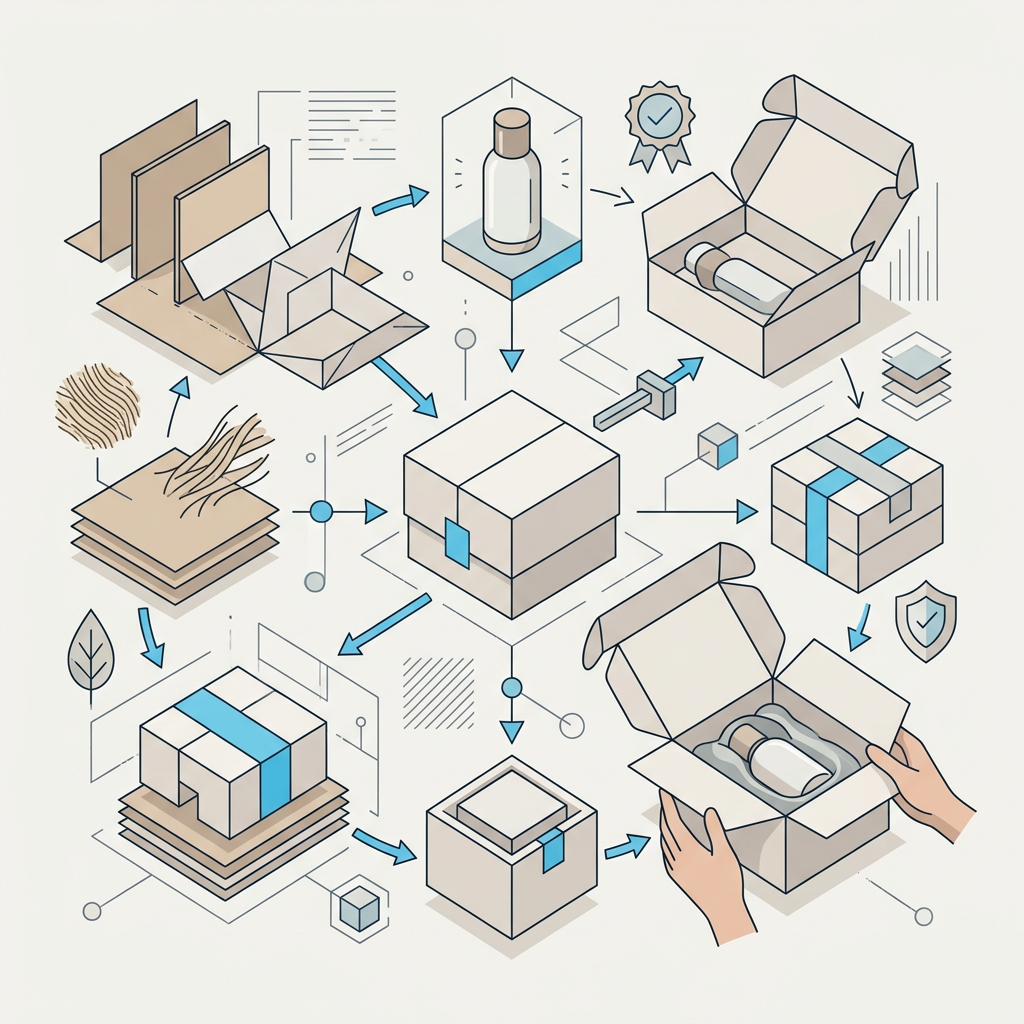
- Packaging design is crucial for standing out in a competitive market, combining aesthetics, functionality, and sustainability.
- It serves multiple functions beyond mere containment, including protection, information, marketing, and fostering the "unboxing experience."
- Key factors like material choice, customization, and sustainability critically impact brand perception and commercial success.
Addressing packaging design involves considering a multitude of interconnected factors. It's not just about aesthetics, but also functionality, sustainability, profitability, and regulations. The creative process must align with the brand identity, target audience, distribution channel, and the product itself. A wooden box for a premium wine will differ radically from the cardboard packaging of a mass-market item, both in its materials and finishes and in the narrative it seeks to build. Understanding these complexities is fundamental for any entity aspiring to stand out in today's commercial ecosystem.
Primary functions of packaging: beyond containment
The most obvious function of packaging is to contain and protect the product. However, its complexity goes further:
- Physical protection. Acts as a barrier against impacts, vibrations, drops, and compression during transport and storage. Robust packaging is crucial to ensure the product reaches the consumer in perfect condition.
- Barrier protection. Defends against external elements such as moisture, light, oxygen, temperature, dust, and attack by microorganisms or pests. This is especially important for perishable or sensitive products.
- Containment and unification. Allows grouping product units, facilitating their handling, logistics, and distribution. For example, secondary packaging may contain multiple sales units.
- Information. Incorporates essential data such as ingredients, usage instructions, expiration dates, barcodes, certifications (such as recycling symbols), and safety warnings, complying with legal regulations and consumer expectations.
- Marketing and communication. It is a powerful branding tool. It conveys brand identity, product values, market positioning, and appeals to the target audience through colors, typography, images, and slogans.
- Convenience. Facilitates transport, opening, use, re-sealing, and storage for the consumer. Smart design can significantly improve the user experience.
- Security. Prevents unauthorized tampering or theft, especially for high-value or pharmaceutical products.
Beyond the Box
Exceptional packaging is a silent ambassador, communicating values and quality, and it can be the decisive factor in driving a purchase and fostering loyalty.
Types of packaging by function and material
The type of packaging is selected based on the product, its vulnerability, the distribution channel, and marketing objectives.
- Primary packaging (or container): This is the container that is in direct contact with the product. For example, a perfume bottle, a bag of potato chips, or the film wrapping a cake. Its design is crucial for safety, preservation, and consumer appeal.
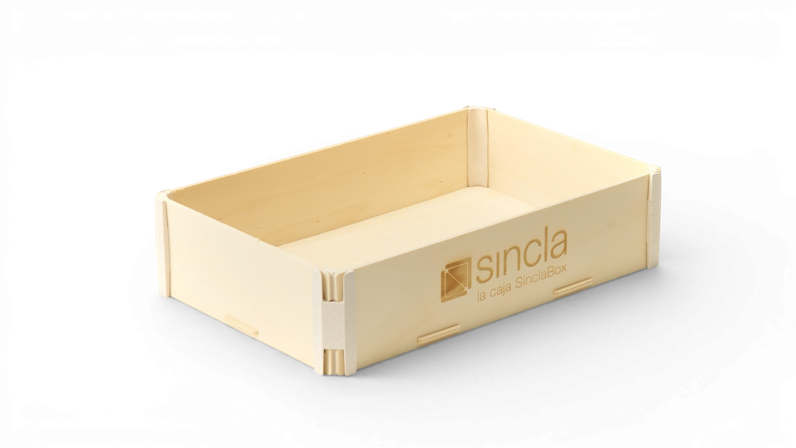
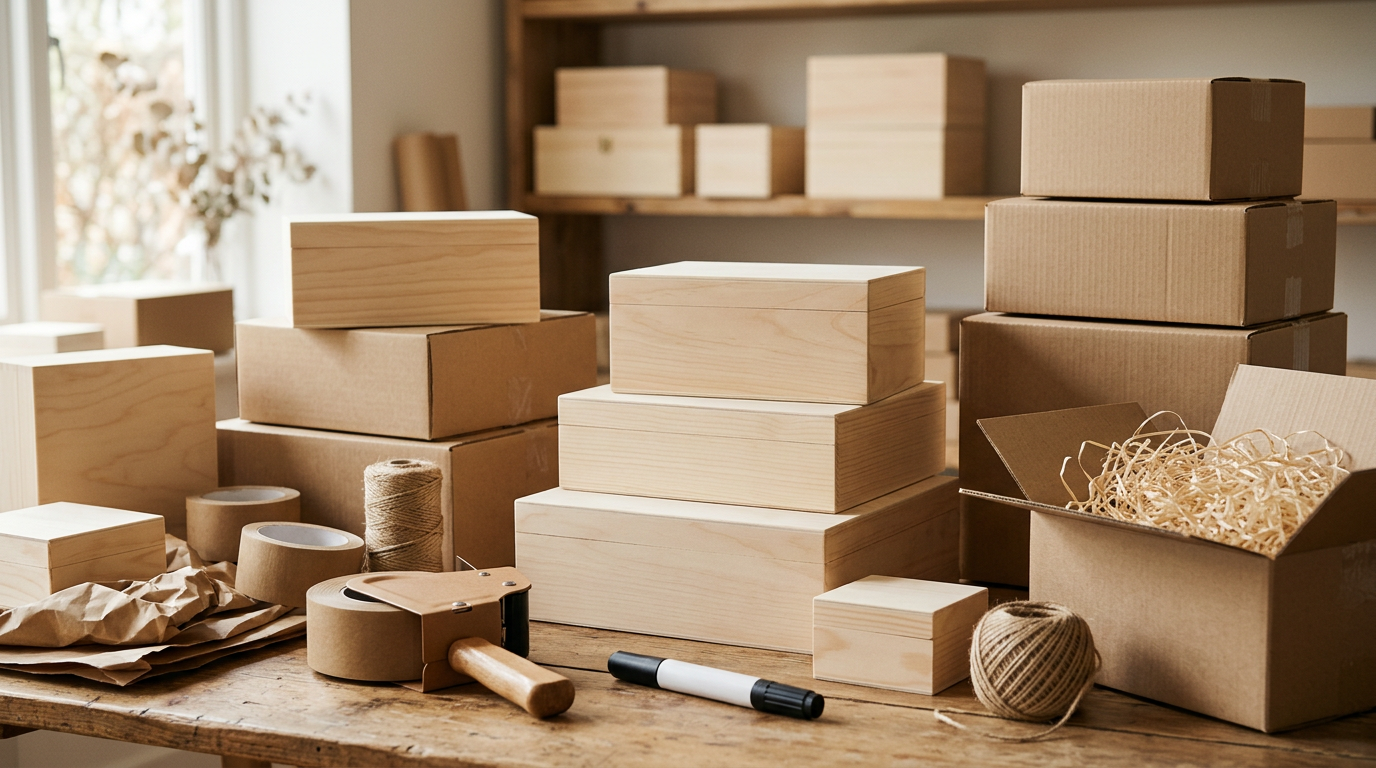
- Secondary packaging: Contains one or more primary packages. It is not directly in contact with the product. An example is the cardboard box containing several cans of soda or the wooden box framing a premium liquor. Its objective is presentation at the point of sale and, often, additional protection. Custom wooden boxes often fall into this category, elevating the perception of value.
- Tertiary packaging: Groups and protects secondary packaging for large-scale transportation, storage, and distribution. This includes pallets, containers, and industrial shipping boxes. Its focus is purely logistical.
Common materials in packaging design
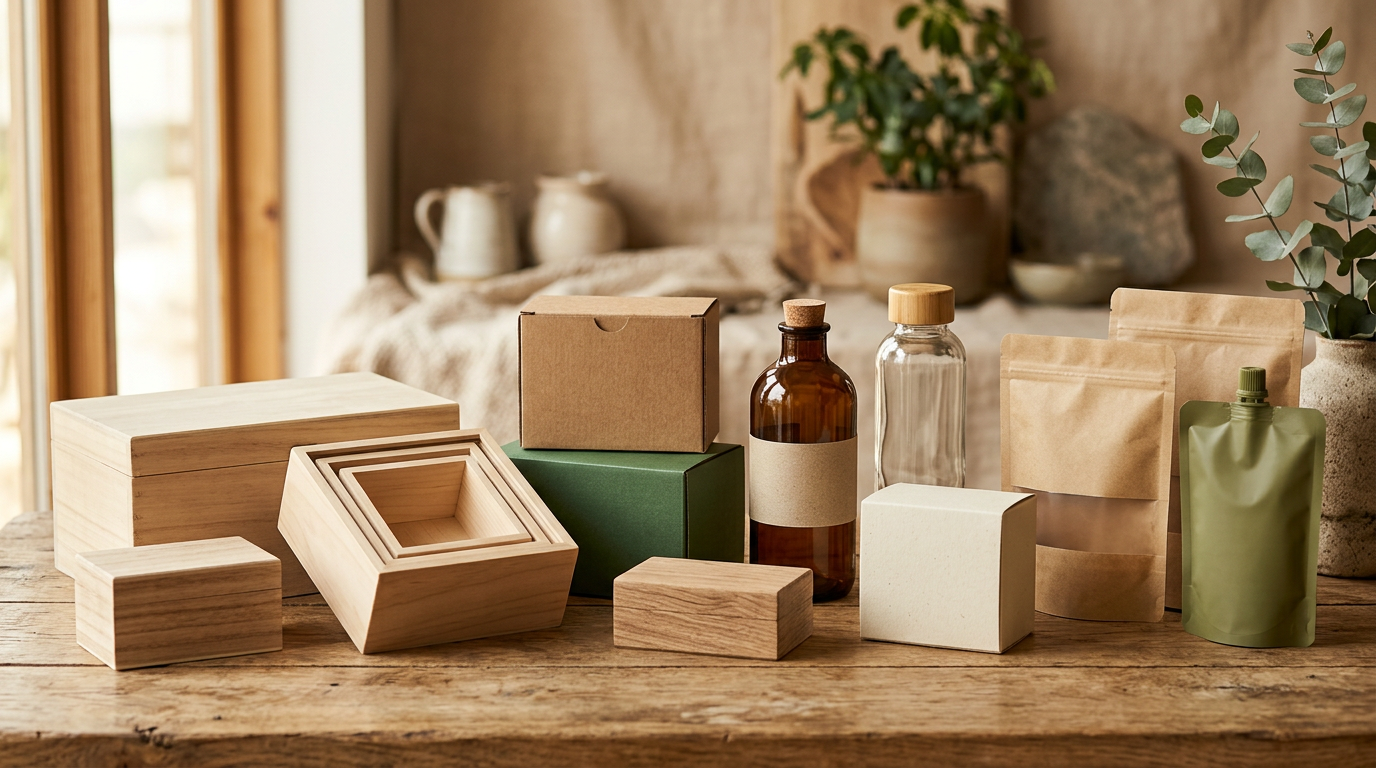
The choice of material is a critical decision that affects the functionality, aesthetics, cost, and sustainability of the packaging:
- Cardboard and paperboard: Flexible, lightweight, economical, and widely recyclable. Ideal for a vast range of products. Kraft cardboard, for example, is highly popular for its natural aesthetic and strength. It is used in boxes, cases, displays, etc.
- Plastic: Versatile in shapes and functions, it offers excellent protection against moisture and air. Includes PET, PP, HDPE, etc. Its properties can be adjusted for different uses, but its environmental impact raises concern. However, the sector is moving towards recycled and biodegradable plastics.
- Glass: An inert, hygienic, and infinitely recyclable material. Preferred for food, beverages, and cosmetics due to its transparency and ability to preserve flavor.
- Metal: Steel and aluminum for cans and containers. They offer high strength, protection, and an effective barrier against light and oxygen. They are recyclable.
- Wood: Robust, durable, and with a natural aesthetic appeal, ideal for premium products, gifts, wines, jewelry, and craft items. FSC wood certifies its sustainable origin. It is used in solid boxes, wooden boxes for delicate transport, or as an aesthetic component. Derivatives such as plywood or MDF (medium-density fiberboard) are also used for lighter structures or specific manufacturing processes.
- Biodegradable and compostable materials: Emerging options such as corn starch, sugarcane bagasse, mycelium, or bioplastics, which seek to reduce the environmental footprint.
The choice of packaging material impacts functionality, aesthetics, cost, and sustainability. For instance, FSC-certified wood signals a commitment to sustainable sourcing.
Design as a marketing and branding tool
Packaging design is an extension of the brand and a powerful silent salesperson. Visual and tactile elements directly influence consumer perception:
- Brand identity: Colors, typography, logos, and graphics must be consistent with the company's overall visual identity. Coherent design fosters recognition and recall.
- Differentiation: On a shelf full of options, a unique and attractive design can capture consumer attention in a matter of seconds. Originality is sought without sacrificing functionality.
- Unboxing experience: For e-commerce companies, the moment of opening the packaging is crucial. Thoughtful design, including elements such as tissue paper, wood shavings, thank you notes, or personalized inserts, can transform a simple delivery into a memorable and "Instagrammable" experience, encouraging customers to share their experience. This aspect is vital for viral marketing and community building.
- Relevant information and communication of values: In addition to mandatory data, packaging can tell a story about the product, its origins, sustainable values, or artisanal manufacturing process, generating an emotional connection.
- Positioning: A luxurious design, with high-quality materials and special finishes, positions the product as premium. A minimalist and ecological design can communicate sustainability and modernity.
Thoughtful design, including elements such as tissue paper or personalized inserts, can transform a simple delivery into a memorable and "Instagrammable" experience.