Boxes for Christmas? Order as early as you can. Last day to order up to 200 boxes: 30 November · 22 days left.See all deadlines

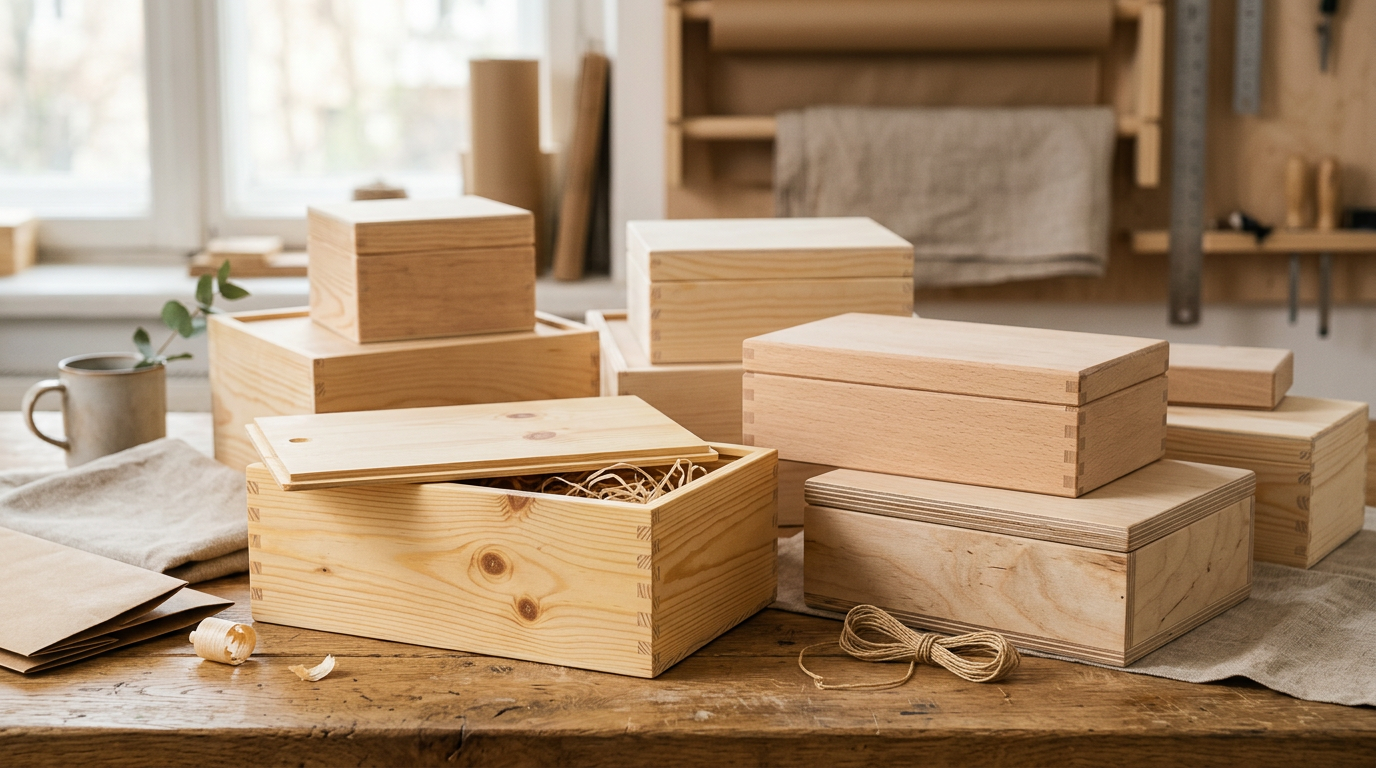
    Variedad de cajas de madera con tapa, mostrando diferentes tipos de madera y acabados sobre una superficie neutra, algunas apiladas.
    Wooden boxes

    Wooden box with lid: The packaging that highlights your product

    Sincla

    The wooden box with a lid: A classic reinvented in packaging The wooden box with a lid represents much more than a simple container; it is a statement of intent, a sensory experience, and often an object of value in its own right. In the field of packag

    The wooden box with lid represents much more than a simple container; it's a statement of intent, a sensory experience, and often, an object of value in its own right. In the realm of packaging, this format has solidified its position as a preferred option for those seeking to evoke distinction, durability, and a touch of craftsmanship. From packaging gourmet products and high-end beverages to solutions for corporate gifts and personal keepsakes, the versatility and intrinsic appeal of wood place it in a differential category. Its ability to protect, present, and endure over time makes it a strategic choice, capable of strengthening the perceived quality and value of what it contains.

    The Essential Takeaways

    • Wooden boxes with lids add perceived value, durability, and a distinctive aesthetic to packaging.
    • There is a wide range of woods and finishes, each with its own aesthetic and functional characteristics.
    • Customization is key to aligning the box with brand identity or gift purpose.
    • Sustainability is a growing factor; seeking certifications like FSC is fundamental.
    • The right choice involves considering the product, budget, desired aesthetic, and environmental impact.

    Types of Wood and Their Characteristics in Packaging

    The choice of wood type is fundamental, as it directly influences the aesthetic, strength, weight, and ultimately, the cost of the box. Each material offers a unique personality:

    • Pine: Widely used for its availability and moderate cost. It is a light wood, light-toned, with a pronounced grain that provides a rustic and natural look. It is easy to work and readily accepts stains and varnishes. Ideal for general-purpose boxes, crafts, or shipments requiring lightness.
    • Beech: Known for its strength and hardness, beech has a more beige or pinkish tone and a fine, uniform grain. It offers a more elegant finish and is suitable for products requiring greater protection or a touch of sophistication. It is denser than pine.
    • MDF (Medium-Density Fiberboard): Although not solid wood, it is a very popular derivative. It is produced from compressed wood fibers with resins, which gives it a smooth, uniform surface. This material is extremely versatile for cutting and engraving, ideal for lacquered, painted, or lined finishes. Its dimensional stability minimizes warping.
    • Plywood: Formed by thin layers of wood (veneers) glued together with crossed grains, which gives it great strength and stability. Birch or poplar plywood is common in boxes due to its good finish and durability. It allows for large sizes without warping.
    • Bamboo: Although technically not a wood but a grass, bamboo is increasingly used due to its rapid growth and its consideration as an ecological material. It offers a modern, light, and resistant aesthetic, with a characteristic grain pattern.
    • Noble woods (Walnut, Oak, Mahogany): Although less common for volume production due to their cost, they are used in very high-end or limited edition boxes. They provide unparalleled exquisiteness in color, grain, and aroma, seeking to convey extreme luxury.

    Sustainable Origins

    To ensure a responsible origin, it is advisable to look for woods certified by organizations such as FSC (Forest Stewardship Council) or PEFC (Programme for the Endorsement of Forest Certification), which guarantee that the material comes from sustainably managed forests.

    Types of Lids and Closure Systems

    The lid is a crucial element that not only protects the content but also defines the opening experience and the overall design of the box.

    Lid Type Description Advantages Common Uses
    Sliding Slides along side grooves on the box body. Smooth opening, minimalist design, good protection. Wines, board games, tool cases.
    Hinged Attached to the box body with metal or wooden hinges. Full opening, easy access, classic and robust appearance. Jewelry boxes, tea boxes, keepsakes, gift kits.
    Lift-Off (Lid and Base) The lid fits over the body of the box. Can be partial or cover it completely. Versatile, clean aesthetic, easy assembly and customization. Gift chests, cosmetic products, limited edition packaging.
    Magnetic Incorporates discreet magnets for a secure closure and elegant opening. Firm and discreet closure, premium feel, 'click' experience. Luxury electronics, jewelry, writing instruments.
    Drawer (Full Sliding) A drawer-like format, where the "lid" or outer body slides to reveal the content. Sophisticated presentation, protects content, sense of discovery. Perfumes, fine chocolates, corporate gifts.

    For closure systems, in addition to magnets, pins, latches, fabric ribbons, or even sealed wax seals can be added for an extra touch of exclusivity.

    Finishes and Customization: A Universe of Possibilities

    Customization transforms a simple wooden box into an extension of the brand or the message to be conveyed. The most popular techniques include:

    • Laser EngravingPrecision and elegance for logos or text. Allows fine detail.
    • Silkscreen PrintingIdeal for logos and color designs. Versatile in quantity.
    • Hot StampingMetallic or colored finish with subtle relief. Luxury and distinction.
    • UV Digital PrintingAllows full-color designs and photographic details on wood.
    • Varnishing and StainingProtects the wood and enhances its natural grain, or dyes it to a desired color.
    • LacqueringSmooth, uniform, and glossy or matte finish. Great visual impact.

    Beyond these techniques, the box can be complemented with other elements such as interior fabric linings (velvet, silk), die-cut foams to hold products, or internal compartments. These details not only improve presentation but also reinforce functionality and the perception of a well-thought-out product. To explore custom options, it is useful to research custom wooden boxes.

    Applications and Uses of the Wooden Box with Lid

    The adaptability of wooden boxes with lids makes them suitable for a vast range of sectors:

    • Gourmet and Beverage Sector: Prestigious wines, premium olive oils, artisan chocolates, tasting sets. Wood complements the image of exquisite taste and tradition.
    • Jewelry and High Watchmaking: To protect and display valuable pieces, providing a luxury status.
    • Cosmetics and Perfumery: High-end personal care products, seeking a sophisticated and sustainable presentation.
    • Corporate and Event Gifts: As packaging for gifts to VIP clients, employees, or as a distinctive element at weddings, communions, or anniversaries. For event ideas, options such as wedding packaging or communion boxes can be sought.
    • Merchandising and Limited Editions: For collectibles, special kits, or branded products seeking added value.
    • Decorative Storage: Once their initial function is fulfilled, many wooden boxes are reused to organize spaces, becoming part of home decor.
    • Photography and Crafts: To deliver photos or artisan products, providing a personal touch of quality.

    Maximize Reuse

    Designing a wooden box with the intention of it having a second life (as a jewelry box, keepsake box, or for storage) extends its positive impact and strengthens brand loyalty, in addition to being a sustainable practice.
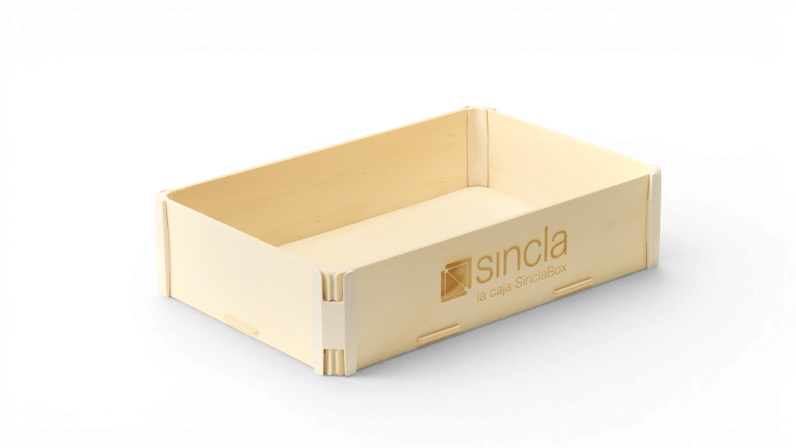
    Custom wooden boxes

    Discover our wooden boxes for packaging, hospitality, events and more. In-house manufacturing and full customisation.

    View products

    Factors to Consider When Choosing a Wooden Box with Lid

    The decision to acquire a wooden box with a lid should be strategic and well-informed. Here are the main points to evaluate:

    1. Define the purpose and the product. What will the box contain? Is it for a product that needs extra protection, a gift that needs to make an impact, or a shipment that requires durability? The size, weight, and fragility of the item will determine the dimensions and necessary robustness of the box.
    2. Material and Resistance. Consider the ideal wood based on the required durability, final weight, and budget. Lighter woods like pine are generally more economical, while beech or noble woods elevate the cost and the perception of luxury.
    3. Closure Type and Opening Experience. Think about how the user will interact with the box. A sliding lid offers an intriguing opening, while a hinged one is more traditional and functional. A magnetic closure adds a touch of modernity and quality.
    4. Aesthetics and Finish. Visualize the final look. Is a rustic and natural style desired, or something more polished and contemporary? Finishes (varnishes, stains, lacquers) and personalization techniques are key to aligning the box with brand identity or the message. A carefully designed packaging can be a crucial differentiator, as explored in "Packaging Design: Key to the Product Experience".
    5. Sustainability and Certifications. Investigate the origin of the wood and if it has certifications like FSC. Increasingly, consumers value environmentally responsible business practices.
    6. Budget. Establish a cost range. Wood options, finishes, and customization can significantly vary the price per unit, especially for smaller volume orders.
    7. Quantity and Production Deadlines. Consider whether the need is for large-scale production or smaller batches. Some suppliers may have minimum order quantities and delivery times that must be taken into account.

    Common Mistakes to Avoid

    Do not underestimate the additional weight of wood, which can affect shipping costs. Also, do not ignore manufacturing tolerances; a lid may not fit perfectly if the design does not consider the natural expansion and contraction of wood.

    The Impact of a Wooden Box on Brand Perception

    A wooden box with a lid is not just packaging; it's a marketing tool. The tactile sensation of the wood, its weight, the sound of opening the lid, and the aroma it can emit all contribute to a multisensory experience. This experience generates a perception of superior quality and exclusivity.

    When a product is presented in a wooden box, it conveys:

    • Exclusivity and Luxury: Wood is associated with craftsmanship and durability, intrinsically elevating the perceived value of the contents.
    • Sustainability (if certified): For brands that want to communicate an environmental commitment, an FSC-certified wooden box can be a powerful message.
    • Memorability: A quality wooden box is rarely discarded. It becomes an object, a reminder of the product or event, extending brand visibility.
    • Differentiation: In a saturated market, distinct packaging can be fundamental to distinguishing a product from the competition. Custom packaging is a key strategy in this regard.
    60%Improved perception
    5xEstimated lifespan
    FSCCertified wood

    Tips for Design and Production

    To ensure the success of the wooden box with lid, it is useful to follow some guidelines:

    • Clarity in design: Provide sketches, precise measurements, and vector files for customization. The more information, the lower the risk of errors.
    • Prototype testing: Whenever possible, request a physical sample before mass production. This allows verification of fit, finish, and functionality. Requesting a free sample for testing can be a smart step.
    • Consider transportation: Boxes must protect the contents during shipping. Evaluate whether additional packaging or internal fillers (wood wool, tissue paper, foams) are required to ensure product integrity.
    • Communication with the supplier: Maintain fluid communication with the manufacturer. A good supplier will be an ally, offering advice on materials, techniques, and creative solutions.

    For those interested in the order fulfillment process, the article "Picking and Packing: Optimization of Preparation and Shipments" can offer valuable insight into how to integrate this type of packaging into the logistics chain.

    Ultimately, choosing a wooden box with a lid is an investment in the image and experience of a product or gift. Its durability, versatility, and the richness of its finishes position it as a premium option that goes beyond mere containment, building value and creating a memorable impression.

    Frequently Asked Questions

    Variety of wooden boxes with lids, showing different types of wood and finishes on a neutral surface, some stacked.

    Are all wooden boxes with lids suitable for food contact?

    No, not all wooden boxes are designed for direct food contact. Woods must be treated and finished with non-toxic and certified food-grade products. If unwrapped food is to be contained, it is essential to specify this need to the supplier to ensure compliance with safety and hygiene regulations.

    How long does it take to produce custom wooden boxes?

    Production time can vary significantly depending on design complexity, customization technique, wood type, order volume, and supplier workload. Generally, it can range from a few weeks for small orders and simple designs to several months for large volumes or highly customized projects. It is advisable to consult lead times in advance.

    What interior options are available for a wooden box with a lid?

    Interior options are very varied. You can opt for a fabric lining (velvet, satin, linen), custom-cut foams of different densities to hold the product, internal wooden or cardboard dividers, decorative wood wool, or even an interior finish identical to the exterior of the box. The choice will depend on the product and the desired experience.

    What is the approximate weight of a wooden box with a lid?

    The weight of a wooden box varies enormously depending on the type of wood, dimensions, and wall thickness. Lightweight woods like pine or poplar are lighter, while beech or oak are considerably heavier. As a reference, a medium-sized wooden box (e.g., 30x20x10 cm) made of pine could weigh between 300g and 800g empty, while one made of beech or denser woods could exceed a kilogram. This factor is important for transportation costs.

    Are wooden boxes suitable for international shipping?

    Yes, wooden boxes can be suitable for international shipping, but it is crucial to ensure that the wood is treated in accordance with international phytosanitary standard ISPM-15. This treatment, which includes fumigation or heat treatment, prevents the spread of pests and requires the packaging to be marked. Failure to comply with these regulations can result in the shipment being held or destroyed at customs.

    Newsletter

    Get our latest articles and news in your inbox.